The Wine-Making Process Step-by-Step
Making wine at home is one of humanity's oldest crafts, yet it remains surprisingly accessible to modern beginners. While professional winemakers might use fancy equipment and decades of experience, the fundamental process remains the same: let yeast consume sugar, and nature does the rest.
In this comprehensive guide, we'll walk through each stage of the winemaking process, explaining not just what to do, but why each step matters. By the end, you'll have a complete roadmap for transforming grapes (or grape juice) into a delicious bottle of wine.
- Harvesting or Selecting Grapes
- Crushing and Destemming
- Pressing (for white wines)
- Primary Fermentation
- Malolactic Fermentation (optional)
- Racking and Aging
- Stabilization and Clarification
- Bottling
Step 1: Harvesting or Selecting Your Grapes
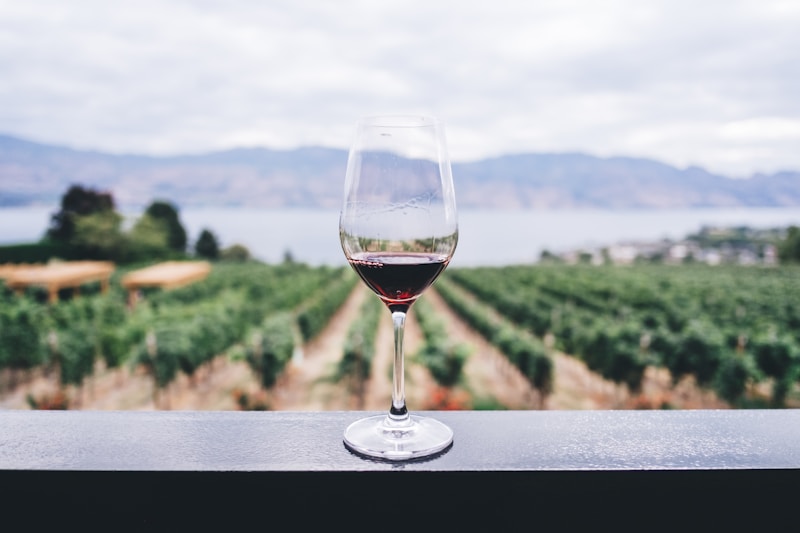
The journey of wine begins long before you crush your first grape. For home winemakers, you have two primary options: grow your own grapes or purchase them from a local vineyard or winery supply store.
If you're buying grapes, timing matters enormously. Grapes continue to ripen after picking, but they won't develop additional sugar. This means the decision of when to harvest is based on a careful balance of sugar content, acidity, and flavor development. Most winemakers aim for a Brix reading between 20-25 degrees, depending on the wine style they're targeting.
For beginners, we recommend starting with either fresh grapes from a local source or quality grape juice from a winemaking supplier. This eliminates the guesswork of harvest timing while still teaching you all the subsequent steps.
What to Look for in Grapes
- Color: Even coloration without green or brown spots
- Texture: Firm but not hard; avoid mushy or shriveled grapes
- Stems: Brown, woody stems indicate ripeness
- No rot: Discard any moldy or damaged grapes immediately
- Flavor: Taste a few–they should taste like the wine you want to make
Step 2: Crushing and Destemming
Once you have your grapes, it's time to break them open and release the juice. This process is called crushing, and it's exactly what it sounds like–you're gently breaking the grape skins to allow the juice to flow freely.
For small batches, you can crush grapes by hand using clean hands or a sanitized potato masher. For larger batches, consider a mechanical grape crusher/destemmer, which separates the grapes from the stems while crushing them gently.
Why remove stems? While some winemakers include a small percentage of stems for added tannin, too many stems can add harsh, vegetal flavors to your wine. Most beginners should aim to remove all or nearly all stems before crushing.
White wines: Crush and immediately press (squeeze) the juice from the skins. The juice should be as clear as possible before fermentation.
Red wines: Crush and ferment the juice together with the skins. This skin contact is what gives red wine its color and tannin structure.
Step 3: Pressing (White Wines) or Maceration (Red Wines)
This step differs dramatically based on the type of wine you're making.
Pressing for White Wines
After crushing white grapes, you need to separate the juice from the skins before fermentation begins. A wine press does this job beautifully, applying gentle pressure to extract the juice while keeping the skins contained.
If you don't have a press, you can use a straining bag–a mesh bag that holds the crushed grapes while you drain the free-run juice. This is less efficient but works well for beginners.
Maceration for Red Wines
Red wines are made differently. After crushing, you ferment the juice with the grape skins. This process, called maceration or skin contact, typically lasts from 5-14 days, depending on the desired wine style.
During maceration, the skins release their color compounds (anthocyanins), tannins, and flavor molecules into the fermenting juice. You'll need to "punch down" the cap–the layer of skins that rises to the top–twice daily to ensure even extraction and prevent spoilage.
— Why This Works: The Chemistry of Color and Tannins
The beautiful colors of red wine come from anthocyanins–pigment molecules found in grape skins. These compounds are water-soluble, meaning they readily dissolve into the juice during maceration. However, they need an acidic environment (pH below 3.5) to maintain their vibrant color.
Tannins come from grape skins, seeds, and stems. They're a type of polyphenol that creates that characteristic drying, astringent sensation in your mouth. During maceration, alcohol acts as a solvent that helps extract these compounds. Longer maceration means more tannin extraction, which is why big, tannic wines like Cabernet Sauvignon undergo extended skin contact.
Step 4: Primary Fermentation
This is the heart of winemaking–the transformation of grape sugar into alcohol. During primary fermentation, yeast consume sugars and produce alcohol, carbon dioxide, and heat.
Temperature control is crucial during this phase. For white wines, aim for 55-65°F (12-18°C)–cooler temperatures preserve delicate fruit aromas. For red wines, 65-75°F (18-24°C) is ideal, as warmer temperatures help extract color and tannins while allowing the yeast to work efficiently.
Primary fermentation typically takes 1-2 weeks, though it can vary based on sugar content, temperature, and yeast strain. Fermentation is complete when your hydrometer reads near zero Brix (or 1.000 specific gravity), indicating all accessible sugar has been converted to alcohol.
Managing Primary Fermentation
- Keep your fermenter covered with an airlock to allow CO₂ to escape while blocking oxygen
- Monitor temperature daily and adjust as needed
- Stir the must once or twice daily to incorporate the cap (for red wines) or to keep yeast in suspension
- Take hydrometer readings daily to track progress
Step 5: Malolactic Fermentation (Optional)
After primary fermentation, many wines–especially reds and full-bodied whites–undergo a second fermentation called malolactic fermentation (MLF). This is where specific bacteria convert sharp malic acid into softer lactic acid.
MLF is optional but often desirable. It softens the wine's acidity, gives it a rounder, more mouth-filling character, and can add pleasant "buttery" notes (from diacetyl, a byproduct of MLF). Crisp white wines like Riesling often skip MLF to maintain their bright, refreshing acidity.
To induce MLF, maintain the wine at 65-75°F (18-24°C) and add a malolactic bacteria culture. The process typically takes 2-6 weeks and is complete when malic acid tests show near-zero levels.
Step 6: Racking and Aging
Once fermentation is complete, your wine needs to be moved to a clean container–this is called racking. Racking removes the wine from the sediment (called "lees") that has settled at the bottom, preventing off-flavors from prolonged contact with this dead yeast and debris.
Use siphoning tubing to transfer wine gently from one container to another. Never pour or pump wine, as this introduces oxygen and can cause oxidation.
Your choice of aging vessel dramatically affects the final wine:
- Stainless steel: Neutral; preserves fresh fruit character
- Oak barrels: Adds complexity, vanilla and spice notes, and subtle oxidation
- Glass carboys: Neutral like stainless steel; great for small batches
- Bottle aging: Extended aging in bottles allows further development
Light white wines: 3-6 months
Full-bodied whites: 6-12 months
Light reds: 6-12 months
Bold reds: 1-3 years
Premium wines: 3+ years
Step 7: Stabilization and Clarification
Before bottling, your wine needs to be stabilized to prevent unwanted refermentation in the bottle. Stabilization involves two main steps:
Sulphite Addition
Sulfur dioxide (SO₂) is added to protect wine from oxidation and prevent growth of unwanted microorganisms. Most winemakers add 50-100 ppm of sulphite at bottling, depending on the wine's residual sugar and pH.
Cold Stabilization
By chilling wine to near-freezing temperatures for several weeks, you can force crystallization of excess tartaric acid. These crystals (cream of tartar) then settle out, preventing them from forming later in bottles.
Clarification
Wine can be cleared using various methods:
- Time: Simply letting wine sit allows particles to settle naturally
- Fining: Adding clarifying agents (bentonite, egg whites, etc.) that bind to particles
- Filtering: Passing wine through fine filters to remove suspended matter
Step 8: Bottling
The final step! Bottling is both exciting and precise. Your wine should be clear, stable, and ready for its long sleep in glass.
Sanitize all bottles thoroughly–any contamination at this stage can ruin months of work. Fill bottles to about ½ inch from the cork, insert a quality cork using a corker, and store bottles upright for the first few days while the cork settles.
For long-term storage, wines should be laid on their sides to keep the cork moist and prevent oxidation. Store in a cool, dark place with consistent temperature.
— Why Bottles Are Laid Horizontally
When wine is stored horizontally, the cork stays in constant contact with the liquid. This keeps the cork moist and swollen, creating an airtight seal that prevents oxygen from entering. A dry cork shrinks and allows air to seep in, causing oxidation and spoilage. This is why wine bottles are traditionally stored on their sides–even though modern screw caps don't have this issue!
Timeline Summary
1 Days 0-1: Preparation
Crush grapes, add sulfites if needed, prepare yeast
2 Days 1-14: Primary Fermentation
Active fermentation, punch downs, temperature monitoring
3 Weeks 2-8: Malolactic Fermentation (if desired)
MLF completes, wine softens and develops complexity
4 Months 1-12: Aging
Rack periodically, monitor, choose aging vessel
5 Month 6+: Bottling
Stabilize, clarify, bottle, age further if desired
Conclusion
The winemaking process is both simple and infinitely complex. At its heart, you're just creating the conditions for yeast to do what they do naturally–convert sugar to alcohol. But mastering the details–timing, temperature, sanitation, and patience–is what separates good wine from great wine.
Each batch you make will teach you something new. Keep detailed notes, learn from your mistakes, and most importantly, enjoy the process. There's nothing quite like opening a bottle of wine you made yourself and sharing it with friends and family.
Ready to learn about the tiny engines that make it all possible? Read our guide on Understanding Yeast: The Engine of Fermentation.