Must 101: Understanding Crushed Grapes
If you've ever crushed grapes with your hands or watched a winemaker crush grapes at a vineyard, you've created what's known in winemaking as "must." This humble mixture of crushed grapes–juice, skins, seeds, and sometimes stems–is where every wine begins. Understanding must is fundamental to understanding wine itself.
In this guide, we'll explore what must is, how it's prepared, and how different approaches to must affect the final wine. Whether you're making wine from fresh grapes or starting with juice, understanding must will make you a better winemaker.
What Exactly Is Must?
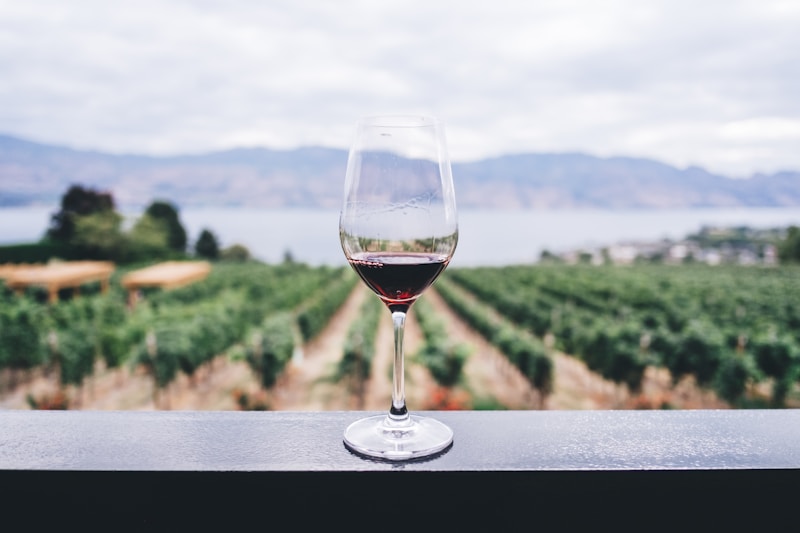
The word "must" comes from the Latin "mustum," meaning "new wine" or "grape juice." In winemaking terms, must refers to the mixture of grape juice, skins, seeds, and sometimes stems that results from crushing or pressing grapes.
Must is not the same as grape juice. While grape juice has had the solid components (skins, seeds, etc.) removed, must contains these elements. It's this inclusion of the solid parts that makes must so important–these solids contribute color, tannin, flavor, and nutrients that simply aren't present in pure juice.
Grape juice: The liquid extracted from grapes, with skins and seeds removed. Used for white wines and some simple winemaking.
Must: Crushed grapes including juice, skins, seeds, and sometimes stems. Used for red wines and wines where skin contact is desired.
The Components of Must
Understanding each component of must helps you understand how to work with it:
Grape Juice
The liquid foundation of must, containing water, sugars (glucose and fructose), acids, and various nutrients. This is where fermentation happens–yeast consume the sugars in the juice and convert them to alcohol.
Skins (Peels)
Grape skins contain the compounds that give red wine its color–anthocyanins–and many flavor compounds. For white wines, brief skin contact can add complexity, while extended contact (as in orange wines) creates entirely different styles.
Seeds
Grape seeds contain tannins and oils. A small amount of seed contact can add structure to red wines, but too much can create harsh, bitter flavors. Most winemakers minimize seed contact during pressing.
Stems
Stems (also called rachis) contain tannins and can add herbaceous or vegetal notes. Some winemakers include a small percentage of stems for added structure, but too many stems create harsh, green flavors.
— Why This Works: The Chemistry of Skin Contact
During fermentation, alcohol acts as an excellent solvent. As alcohol levels increase, it becomes increasingly effective at extracting compounds from grape skins. This is why red wines–which ferment with skins present–develop more color and tannin than white wines.
The extraction process follows a specific pattern:
- First 24-48 hours: Water-soluble compounds like anthocyanins (color) begin leaching into the juice
- Days 3-7: Tannins begin extracting, adding structure and astringency
- Day 7+: Deeper compounds extract, including more complex phenolics
The duration and temperature of skin contact determine how much of these compounds end up in your wine, which is why winemakers carefully control maceration time.
Types of Must Preparation
How you prepare must depends on the type of wine you're making:
For White Wines
White wines are typically made by pressing the grapes immediately after crushing, removing the skins before fermentation begins. This produces a clean, bright juice that ferments into a clear, light-colored wine.
However, some white wines benefit from brief skin contact:
- Orange wines: Extended skin contact (weeks to months) creates amber-colored, tannic white wines
- Skin-contact whites: Brief contact (hours to days) adds complexity without overwhelming character
- Skin-ripened grapes: Some grapes (like Sémillon) develop complex flavors when left on skins after crushing
For Red Wines
Red wines are made by fermenting the juice in contact with the skins–this is called maceration or skin contact. The duration varies dramatically:
- Light reds (Pinot Noir): 3-7 days skin contact
- Medium-bodied reds (Merlot): 7-14 days
- Bold reds (Cabernet Sauvignon): 14-30+ days
For Rosé Wines
Rosé can be made in several ways:
- Direct pressing: Like white wine, press immediately after crushing
- Short maceration: Allow brief skin contact (2-24 hours) for pink color
- Blending: Mix small amounts of red wine with white wine (less common, often restricted by law)
Preparing Must: Step by Step
If you're making wine from fresh grapes, here's how to prepare your must:
Step 1: Sort and Inspect
Before crushing, sort through your grapes and remove:
- Unripe or shriveled grapes
- Any moldy or rotten fruit
- Large stems and debris
Step 2: Crush
Break open the grapes to release the juice. Options include:
- By hand: Clean hands or a sanitized potato masher work for small batches
- Crusher/destemmer: A mechanical device that crushes and removes stems
- Freeze method: Freeze grapes overnight, then thaw–cells burst, making crushing easier
Step 3: Add Sulfites (Optional but Recommended)
Many winemakers add a small amount of sulfites (50-100 ppm) at this stage to protect against oxidation and wild yeast. This is optional but can improve wine quality, especially for beginners.
Step 4: Prepare for Fermentation
Transfer to your fermenter. For red wines, add your yeast. For white wines, proceed directly to pressing.
Managing Must During Fermentation
For red wines, managing the must during fermentation is crucial:
Punch Downs
As fermentation progresses, carbon dioxide pushes grape skins to the surface, forming a "cap." This cap can dry out, harbor bacteria, and lead to off-flavors. Regular punch downs–pushing the cap back into the juice–ensure even extraction and prevent problems.
Most winemakers punch down 2-3 times daily during active fermentation.
Pump-Overs
An alternative to punch downs, pump-overs involve drawing juice from the bottom of the tank and spraying it over the cap. This achieves the same goals but with less physical labor.
Temperature Management
Must temperatures greatly affect fermentation. For red wines, aim for 65-75°F (18-24°C). Warmer temperatures extract more color and tannin but can sacrifice fruit character. Cooler temperatures preserve fruit but slow extraction.
White wine pressing: Keep grapes cool (below 50°F/10°C) to prevent oxidation
Red fermentation: 65-75°F (18-24°C) for optimal balance
Extended maceration: Can be slightly cooler to slow fermentation
Common Must Problems
Oxidation
Exposed to air, must can oxidize, turning brown and developing flat, "nutty" flavors. Prevent this by:
- Using covered fermenters
- Working quickly after crushing
- Adding sulfites
- Maintaining temperature
Acetic Acid (Vinegar)
Bacteria can convert alcohol to acetic acid (vinegar), especially when exposed to air. Prevention includes proper sanitation and airlock use.
Unwanted植物 Character
Too many stems or unripe grapes can add harsh, vegetal flavors. Proper sorting and destemming prevent this.
— Why Punch Downs Matter
When grape skins form a cap at the top of the fermenter, they're exposed to air while the juice beneath remains protected. This creates two problems:
- The dry cap can harbor acetic acid bacteria, leading to vinegar character
- Extraction stops because the skins aren't in contact with the juice
By punching down the cap, you re-submerge the skins, ensuring continuous extraction of color, tannin, and flavor compounds. You also minimize air exposure and create a more homogeneous fermentation environment.
Working with Juice vs. Must
Beginners often start with juice or concentrate rather than fresh grapes. Here's how to approach each:
Starting with Juice
Fresh grape juice (often called "must" in home winemaking circles) is a shortcut that skips the crushing step. You can purchase juice from winery supply stores or sometimes directly from vineyards.
Juice is essentially must that's been pressed immediately. For making white wine, it works perfectly. For red wine, you'll miss the skin contact that provides color and tannin.
Starting with Concentrate
Frozen grape concentrate is another option. You reconstitute it with water to create a "must" for fermentation. This is an excellent starting point for beginners.
Conclusion
Must is where wine begins. Whether you're working with fresh grapes, juice, or concentrate, understanding must–its composition, how to prepare it, and how to manage it during fermentation–gives you the foundation for making great wine.
The color of your wine, its tannin structure, its complexity–all of these begin with decisions made at the must stage. Treat your must well, and it will reward you with a beautiful wine.
Ready to understand the different fermentation phases? Read Primary vs. Secondary Fermentation: What's the Difference?