Your First Wine: A Complete Start-to-Finish Guide
Making your first wine is more than just a fun DIY project—it's the beginning of a journey that connects you to an ancient tradition stretching back thousands of years. There's something almost magical about transforming grape juice into wine, watching bubbles appear in the airlock, and finally opening a bottle you made with your own hands.
This comprehensive guide will walk you through the entire winemaking process, from gathering your equipment to opening your first bottle. We've designed this specifically for beginners, so don't worry if you've never done this before. By the time you finish reading, you'll have all the knowledge needed to produce your very own wine.
Is Winemaking Right for You?
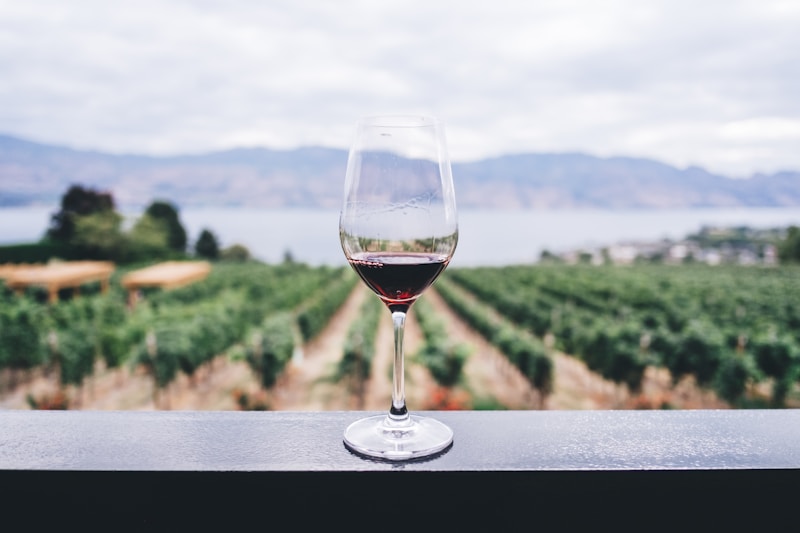
Before diving in, let's make sure you understand what you're getting into. Winemaking is a rewarding hobby, but it requires:
Time Commitment
From start to finish, your first wine will take at least 2-3 months, and many winemakers prefer to age their wines for 6-12 months before opening them. This isn't a project you can complete in a weekend—it's a process that rewards patience.
Attention to Detail
Winemaking isn't difficult, but it does require consistency and attention. You'll need to check on your wine regularly, maintain proper temperatures, and follow sanitation protocols. The good news: these are simple habits to develop.
Appropriate Space
You don't need a winery—you need a small, temperature-controlled space. A closet, basement corner, or spare room can work perfectly. The key is consistent temperatures between 60-70°F (15-21°C).
What You'll Need: Equipment Essentials
Let's start with the equipment. You don't need to spend a fortune—basic equipment is affordable and will serve you well for years. Here's what you need:
Primary Fermentation Vessel
The container where fermentation begins. For your first batch, a 5-gallon (19-liter) food-grade plastic bucket with a lid is perfect. Look for one specifically designed for winemaking—avoid regular household buckets that might have residue from cleaning products.
Secondary Fermentation Vessel
After the initial fermentation, you'll transfer (rack) your wine to a glass carboy. Glass is preferred because it doesn't retain odors and allows you to see your wine clearly. A 5-gallon glass carboy is the standard size.
Airlock and Stopper
The airlock allows carbon dioxide to escape while preventing oxygen and bacteria from entering. The stopper creates a seal in the carboy opening. These are inexpensive and absolutely essential.
Hydrometer and Test Jar
This is your primary testing tool. The hydrometer measures the specific gravity of your wine, which tells you how much sugar is in the juice and when fermentation is complete. It's the winemaker's most important instrument.
Siphoning Tubing
A clear, food-grade plastic tube for transferring wine between vessels without disturbing the sediment. You'll need about 3-4 feet of tubing.
Bottles, Corks, and Corker
When it's time to bottle, you'll need wine bottles (standard 750ml size), corks, and a hand-operated corker. You can often find used bottles at homebrew shops or wine clubs.
Thermometer
Temperature control is critical. A simple floating thermometer or an instant-read digital thermometer will work.
Sanitizer
Cleanliness cannot be overstated in winemaking. Starsan is the industry-standard sanitizer for home winemakers—it's effective, inexpensive, and leaves no residue.
Additional Useful Items
- Auto-siphon (makes racking much easier)
- Wine thief (for taking samples)
- Bottle brush
- Corker
- Funnel
- Large stirring spoon (stainless steel or plastic)
You can purchase a complete beginner's kit for $80-150 that includes most essentials. Alternatively, buy items individually as needed. Many homebrew shops offer starter kits that provide everything you need for your first batch.
Choosing Your First Wine
Your first wine should be forgiving—the winemaking equivalent of training wheels on a bicycle. Here's what to look for:
Start with Juice or Concentrate
Fresh grapes require additional equipment ( crusher/destemmer) and techniques (pressing, foot stomping). Starting with pre-made juice or wine concentrate eliminates these complexities while still teaching you the fundamentals.
Forgiving Grape Varieties
Some grapes are more forgiving of beginner mistakes than others. Good choices for beginners include:
- Concord: A classic American grape, forgiving and delicious
- Vidal Blanc: A hybrid that produces excellent ice wines
- Cabernet Sauvignon: More forgiving than you might expect
- Moscato: A sweet, easy-drinking option
Simple Style
Avoid complex techniques like barrel aging, malolactic fermentation, or extended maceration for your first batch. These can wait until you have the fundamentals down.
Understanding the Process
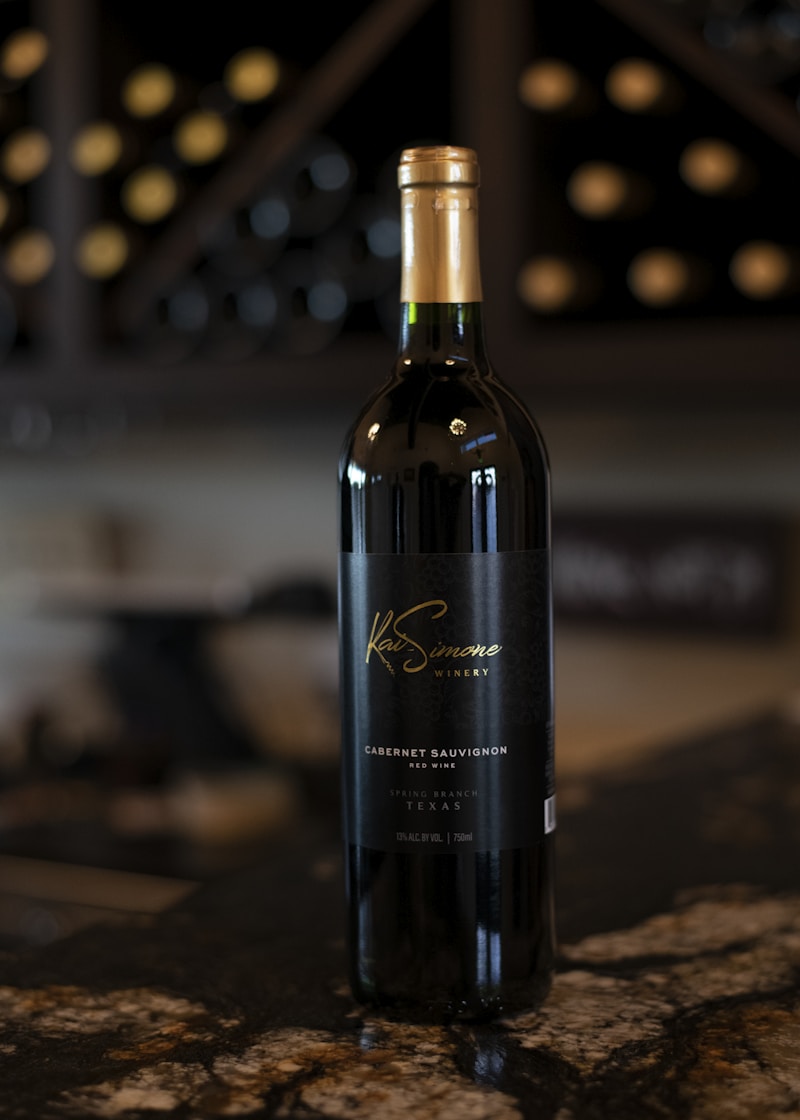
Before we get into the step-by-step, let's understand what happens during winemaking:
Fermentation: Yeast consumes sugar in the grape juice and converts it to alcohol and carbon dioxide. This is the magic transformation.
Racking: Transferring wine from one vessel to another to separate it from sediment (lees).
Aging: Allowing the wine to mature, developing complexity and smoothing harsh edges.
Stabilization: Ensuring the wine won't referment in the bottle.
Bottling: Putting your finished wine into bottles for storage.
🔬 The Magic of Fermentation
Fermentation is a metabolic process where yeast (Saccharomyces cerevisiae) consumes sugars and produces alcohol, carbon dioxide, and heat. This single-celled organism is responsible for one of humanity's oldest and most beloved beverages.
The equation is beautifully simple: C₆H₁₂O₆ → 2C₂H₅OH + 2CO₂. One glucose molecule becomes two molecules of ethanol (alcohol) and two molecules of carbon dioxide. The yeast does all the work—you just need to provide the right conditions.
What makes wine special is that it's not just about alcohol production. The hundreds of compounds produced during fermentation—esters, phenols, aldehydes—create the complex flavors and aromas we associate with wine. This is why different yeast strains produce different-tasting wines, and why temperature matters so much.
The Winemaking Process: Step by Step
Day 1: Preparation and Setup
This is the most important day—proper preparation sets you up for success.
- Sanitize everything: Clean and then sanitize all equipment that will touch the wine. This cannot be emphasized enough—contamination is the #1 cause of winemaking failures.
- Prepare your juice: If using concentrate, reconstitute according to package directions using warm water. If using fresh juice, check that it's at room temperature.
- Test your starting parameters: Use your hydrometer to measure the Brix (sugar content). For most wines, you want 20-24° Brix. Use a pH meter or strips to check pH—3.3-3.6 is ideal.
- Add sulfites: Add potassium metabisulfite at about 50 ppm to protect the juice from oxidation and wild yeast. Wait 12-24 hours before adding your wine yeast.
- Record everything: Write down your starting measurements, the time, what you added, and any observations. This documentation will be invaluable for future batches.
Day 2-3: Yeast Inoculation
Now it's time to add the yeast that will transform your juice into wine.
- Rehydrate your yeast: Follow the package directions—usually this means sprinkling yeast into warm (95-105°F / 35-40°C) water and waiting 15-30 minutes.
- Pitch the yeast: Add the rehydrated yeast to your juice. "Pitching" is the technical term for adding yeast to start fermentation.
- Add nutrients: Yeast nutrient helps ensure healthy fermentation. Follow package directions for amounts.
- Cover and seal: Place the lid on your primary fermenter with the airlock filled with sanitizer solution.
- Wait and observe: You should see signs of fermentation within 24-48 hours—bubbles in the airlock, foam on top, and a pleasant yeasty aroma.
Days 3-14: Active Fermentation
Your wine is now fermenting actively. This is when you need to pay attention.
Daily Checks
- Confirm fermentation is progressing (airlock should be bubbling)
- Check the temperature—keep it in the 65-75°F (18-24°C) range
- Look for any signs of problems (unusual odors, mold, etc.)
Regular Testing
- Take hydrometer readings every 2-3 days
- Watch the Brix decline—it should drop steadily
- When Brix reaches near zero (around 0.990-1.000 specific gravity), fermentation is nearly complete
Gentle Stirring
If possible, gently stir the wine once daily. This releases carbon dioxide, prevents harsh sulfur smells, and helps the yeast stay active. Use a sanitized spoon and be gentle—you don't want to introduce too much oxygen.
Signs Fermentation is Complete
- Specific gravity reaches 1.000 or below
- Bubbling in the airlock slows significantly
- Active foam on top subsides
- The wine tastes less sweet
Week 2-3: The First Racking
Once fermentation is complete, it's time to rack—transfer the wine off the sediment (called "lees").
- Sanitize your secondary carboy: Clean and sanitize thoroughly before the transfer.
- Position vessels: Place the primary fermenter above the secondary carboy—gravity makes racking easier.
- Siphon carefully: Use your tubing to siphon the clear wine into the carboy. Don't siphon from the bottom—leave the sediment behind.
- Minimize splashing: Try to keep the wine flowing smoothly to limit oxygen exposure.
- Top up: Fill the carboy to within 1 inch of the top. This minimizes air space and oxidation risk.
- Seal it up: Replace the airlock and stopper.
The lees are the dead yeast cells and other sediment that settle at the bottom of the vessel. They're perfectly harmless but can give your wine bitter, yeasty flavors if left in contact too long. This is why we rack—the first of several times during the winemaking process.
Weeks 3-6: Aging and Additional Racking
After racking, your wine enters a quiet phase. Here's what to do:
- Store the carboy in a cool, dark place (55-65°F / 13-18°C is ideal)
- Check periodically that the airlock hasn't dried out
- Look for any signs of problems—mold, off odors, unusual activity
- After 3-4 weeks, consider racking again if sediment has formed
- Test periodically with your hydrometer to confirm stability
During this phase, the wine is undergoing subtle changes. Even without active fermentation, chemical processes continue—colors stabilize, flavors integrate, and harshness softens.
Month 2-6: Stabilization and Clearing
Before bottling, you need to ensure your wine is stable:
- Confirm fermentation is complete: Take two hydrometer readings a week apart. If they're the same (and below 1.000), fermentation is finished.
- Add sulfites: Add 30-50 ppm potassium metabisulfite for protection against oxidation.
- Wait for clearing: Let the wine sit undisturbed. Over time, suspended particles will settle, and the wine will become clear.
- Consider clarification: If the wine isn't clearing on its own, you can use fining agents like bentonite (for whites) or sparkalloid. Follow package directions.
Bottling Day
The moment you've been waiting for!
- Ensure wine is ready: Clear, stable, and tastes good
- Sanitize bottles: Clean and sanitize thoroughly
- Prepare corks: Soak corks in sanitizing solution
- Siphon into bottles: Use your tubing to fill each bottle
- Cork: Use your corker to insert corks
- Label: Create labels with the date and varietal
- Store: Lay bottles on their sides in a cool, dark place
Complete Timeline Summary
| Stage | Timing | Key Actions |
|---|---|---|
| Preparation | Day 1 | Sanitize, test, add sulfites |
| Fermentation | Days 2-14 | Monitor, test, maintain temp |
| First Racking | Week 2-3 | Transfer off lees |
| Aging | 1-4 months | Store, monitor, rack if needed |
| Stabilization | Month 2-4 | Add sulfites, wait for clear |
| Bottling | Month 2-6 | Bottle, cork, label |
| Bottle Aging | 3+ months | Store properly, wait to open |
Document everything! Write down what you did, when, measurements, and observations. This is invaluable for troubleshooting problems and improving your technique. Include:
- Starting and ending Brix/pH
- Ingredients used (brand, amount)
- Temperature readings
- Any problems or observations
- How the wine tastes at each stage
Common First Wine Mistakes
Every winemaker makes mistakes—you're in good company. Here are the most common ones to avoid:
Poor Sanitation
This is the #1 cause of winemaking failures. Bacteria and wild yeast can ruin a batch overnight. Take sanitation seriously—clean first, then sanitize, and keep everything clean throughout the process.
Temperature Problems
Too hot and you'll get off-flavors (cooked, mousy, or rotten egg characters). Too cold and fermentation may stall or stop entirely. Find a space where you can maintain consistent 65-75°F (18-24°C) temperatures.
Impatience
Bottling too early is the most common mistake. If fermentation hasn't finished completely, the wine can referment in the bottle, creating dangerous pressure. Wait until you're certain fermentation is complete.
Ignoring Warning Signs
If something looks or smells wrong, investigate. Unusual odors, mold on the surface, or lack of activity can all be signs of problems. Catching issues early gives you more options for correction.
Overcomplicating Things
Save advanced techniques for later batches. Master the basics first—proper sanitation, temperature control, and patience—before trying malolactic fermentation, barrel aging, or other advanced methods.
Not Testing
Using your hydrometer regularly is essential. Guessing whether fermentation is complete can lead to bottling unstable wine. Test, record, and make decisions based on data.
What Comes Next?
Now that you understand the basics, you're ready to explore more specific methods:
- How to Make Wine from Fresh Grapes - When you graduate to using whole grapes
- How to Make Wine from Juice - Using fresh, unpasteurized juice
- Acid Adjustment - Fine-tuning your wine's balance
- Racking Wine - The complete guide to this essential technique
Conclusion
Making your first wine is the beginning of a rewarding journey that connects you to thousands of years of human history. From ancient Mesopotamia to your kitchen, winemaking has always been about transformation—turning simple ingredients into something greater than the sum of its parts.
Remember: your first batch won't be perfect, and that's perfectly okay. Every professional winemaker started exactly where you are now. The key is to start, learn, and improve with each batch. Your second wine will be better than your first, your third better than your second, and so on.
The most important things are sanitation, patience, and attention to detail. Get those right, and you'll be rewarded with wine you made yourself—which always tastes better than anything you can buy.
Now go make some wine!