Bottling Your Wine: Complete Step-by-Step Guide
Bottling is the culmination of your winemaking journey—the moment when all your hard work finally goes into glass for long-term storage. After months of patience, careful monitoring, and attention to detail, bottling is your reward and your transition from winemaker to wine guardian.
Proper bottling ensures your wine ages gracefully and safely. A poorly bottled wine can spoil or develop faults, while a well-bottled wine can improve for years. This guide walks you through every step of the process.
Is Your Wine Ready for Bottling?
Before you begin, confirm your wine is truly ready:
Clarity
Your wine should be crystal clear—absolutely no visible particles or haze when held up to light.
Fermentation Complete
- Specific gravity stable at 0.990-1.000 or below for at least one week
- No activity in the airlock
- No sweetness remaining
Stabilization
- Sulfites added at bottling (30-50 ppm)
- Any fining agents fully settled and racked off
- Cold stabilization completed (if desired)
Taste
Sample your wine and ensure it's balanced and enjoyable. Remember that wine changes in bottle—it will likely smooth out and integrate further.
Equipment and Supplies
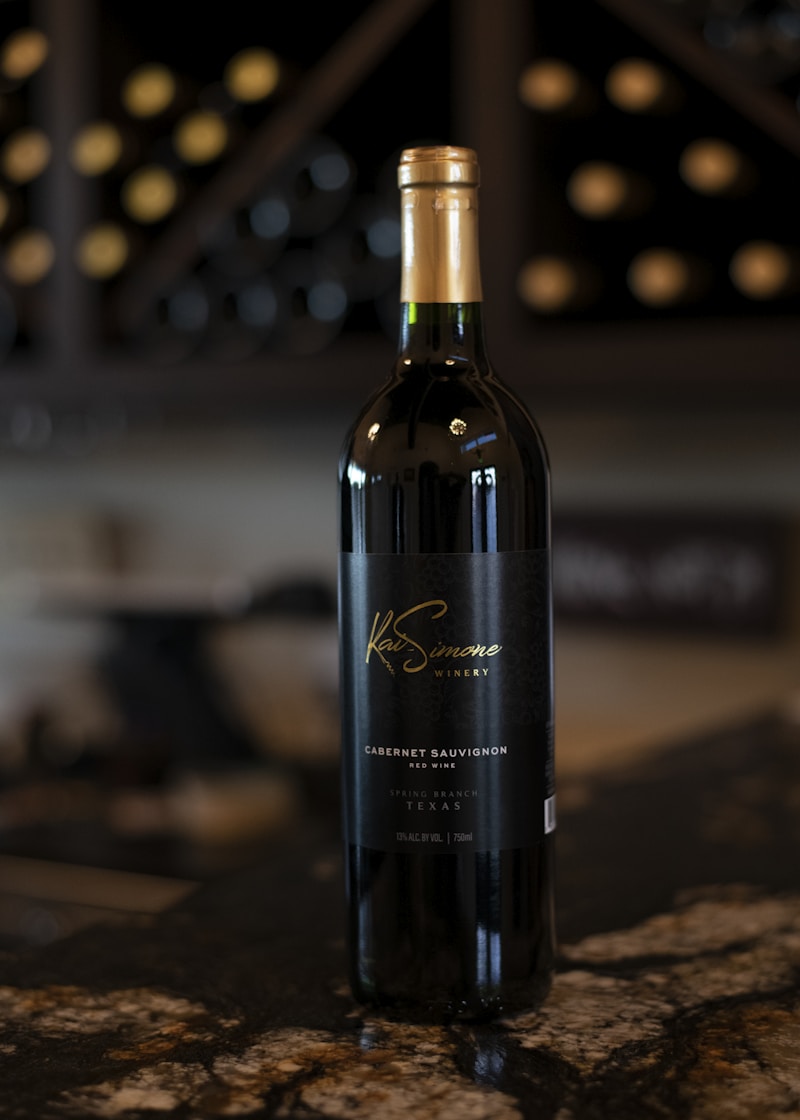
Bottles
Standard 750ml wine bottles are the norm. Options include:
- New bottles: Clean and ready to use
- Used bottles: Must be thoroughly cleaned and sanitized
- Different colors: Darker bottles offer more protection from light
Corks
- Agglomerated corks: Budget-friendly, work well
- Natural corks: Traditional, better aging potential
- Synthetic corks: Consistent quality, easy to remove
Corker
A hand-held corker is essential. There are two main types:
- Two-level corker: More common, easier to use
- Single-level corker: Requires more practice
Other Equipment
- Bottle filler
- Siphoning tubing
- Sanitizer (Starsan)
- Potassium metabisulfite
- Bucket for spills
- Labels
Step-by-Step Bottling Process
Step 1: Prepare Your Workspace
Set up in a clean area where you won't be interrupted. Gather all equipment and supplies before starting.
Step 2: Sanitize Bottles
- Clean bottles thoroughly with bottle brush
- Rinse with sanitizing solution (Starsan)
- Allow to drain and air dry—don't wipe with towels
- Position bottles within easy reach
Step 3: Prepare Corks
- Soak corks in sanitizing solution for 15-30 minutes
- Drain and allow to dry slightly
- Don't soak too long—corks can absorb liquid
Step 4: Prepare Wine
- Perform final racking if needed
- Add sulfites at 30-50 ppm
- Position wine container above bottles (gravity helps)
- Have siphon ready
Step 5: Fill Bottles
This is the most critical step for avoiding oxidation:
- Insert bottle filler into bottle
- Fill to approximately ½ inch (1.25cm) from the top
- Work efficiently—minimize time each bottle is open
- Keep wine container topped up to minimize air exposure
- Replace lid on wine container between fills if possible
Step 6: Cork the Bottles
- Insert cork into bottle neck
- Position corker over bottle
- Compress handle to first depth
- Release and compress to second depth
- Cork should be flush with or slightly below bottle top
- Practice on a few bottles before your good ones
Step 7: Label Your Bottles
Apply labels with key information:
- Wine variety
- Vintage year
- Bottling date
- Your name
- Any special notes
Step 8: Store Properly
- Lay bottles on their sides (keeps cork moist)
- Store in cool, dark location
- Avoid vibration
- Maintain consistent temperature
🔬 Why Bottle Position Matters
Storing bottles horizontally keeps the cork in contact with wine. This prevents the cork from drying out and shrinking, which would allow oxygen to enter the bottle. A dry cork can shrink enough to let significant air in, causing oxidation.
The wine also benefits from slow, gentle oxygen exchange through the cork—this small amount of oxygen helps the wine age gracefully and develop complexity over time.
Proper Wine Storage
How you store your bottled wine matters enormously:
Ideal Conditions
- Temperature: 50-55°F (10-13°C) is ideal
- Consistency: Avoid temperature fluctuations
- Darkness: Complete darkness is best
- Humidity: 70-80% prevents cork drying
- Stillness: No vibration
Horizontal Position
Always store bottles on their sides until ready to drink. This keeps the cork wet and sealed.
Long-Term Storage
For wines you want to age:
- Use natural corks (better for long aging)
- Ensure proper cellaring conditions
- Don't disturb bottles unnecessarily
- Check periodically for leaks
- Wine variety (e.g., "Cabernet Sauvignon")
- Vintage year
- Bottling date
- Your name or winery name
- Alcohol content (if known)
- Any special notes (e.g., "oaked 6 months")
- Awards or ratings (if applicable)
How Long to Wait Before Drinking
Patience is key. Most wines benefit from some bottle aging:
Quick Reference
- Light-bodied whites (Riesling, Pinot Grigio): 3-6 months
- Full-bodied whites (Chardonnay, Viognier): 6-12 months
- Light-bodied reds (Pinot Noir, Gamay): 6-12 months
- Medium-bodied reds (Merlot, Sangiovese): 1-2 years
- Bold reds (Cabernet, Syrah): 2-5 years
Signs Your Wine Is Ready
- Initial harshness has softened
- Fruit flavors have integrated
- Aromas are more complex
- Overall balance feels right
Common Bottling Mistakes to Avoid
Bottling Too Early
If fermentation isn't complete, the wine can referment in bottle, creating pressure that can burst corks or even shatter bottles.
Too Much Headspace
Fill bottles to the proper level—½ inch from top. Too much air leads to oxidation.
Poor Sanitation
Any contamination at bottling can ruin months of work. Sanitize everything.
Skipping Sulfites
Always add sulfites at bottling to protect against oxidation and spoilage.
Storing Upright
Upright storage allows corks to dry out, leading to oxidation.
Types of Wine Bottles
Understanding different bottle types helps you choose appropriately:
Standard Bordeaux Style
The most common bottle shape with high shoulders. Suitable for Cabernet Sauvignon, Merlot, and most red wines. The shoulders help trap sediment when pouring.
Burgundy Style
Rounder bottles with sloping shoulders. Traditional for Pinot Noir and Chardonnay.
Bottle Colors
Clear bottles offer no UV protection and should be avoided for wines meant to age. Green and dark amber bottles provide essential protection from light damage.
Final Thoughts
Bottling represents the culmination of your winemaking journey. Remember that even imperfect wines made with care can bring joy. A homemade wine shared with friends and family carries a value beyond its technical quality.
Conclusion
Bottling is both an ending and a beginning. It's the end of your active winemaking—fermentation, racking, and manipulation. But it's the beginning of your wine's journey into bottle aging, where it will evolve and improve.
Take your time with bottling. Be precise with your fills, thorough with your sanitation, and careful with your storage. Your reward will be bottles of wine you made yourself—something to share with friends and family, and a testament to your patience and skill.
Now that your wine is bottled, learn about:
- Aging Wine at Home - Oak vs. Stainless vs. Bottle
- Tasting Your First Wine - How to evaluate your creation