Aging Wine at Home: Oak vs. Stainless vs. Bottle
Where and how you age your wine dramatically affects its final character. The aging vessel is not neutral—it actively shapes your wine, adding complexity, smoothing edges, and transforming raw young wine into something worthy of the dinner table. Understanding the differences between oak barrels, stainless steel, and bottle aging helps you make informed decisions about how to handle your wine.
Oak Barrel Aging: The Traditional Approach
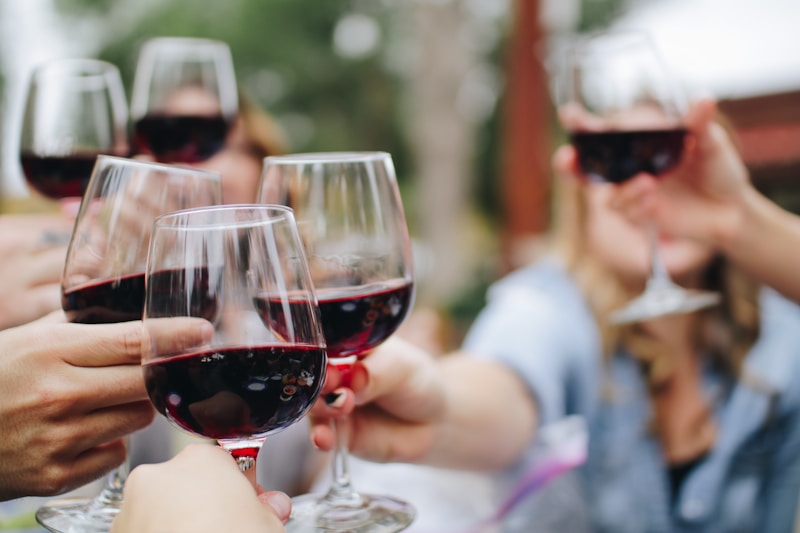
Oak barrels have been used for wine aging for thousands of years, and for good reason—oak imparts qualities that no other vessel can replicate. The use of oak barrels is deeply embedded in winemaking tradition, particularly for red wines and certain white varieties.
Types of Oak
French Oak
Considered the premium choice, French oak is known for subtle, elegant oak character. It adds notes of vanilla, spice, and toast without overwhelming the wine. French oak typically costs more but is favored by winemakers worldwide for premium wines.
American Oak
American oak tends to be more assertive, contributing stronger vanilla, coconut, and dill notes. It's often used for bolder wines that can handle its more pronounced character. American oak is generally less expensive than French oak.
Hungarian Oak
Hungarian oak falls between French and American in terms of intensity. It offers a good compromise for winemakers wanting some oak character without the premium price of French oak.
What Oak Adds to Wine
- Tannins: Oak tannins are softer and more integrated than grape tannins, adding structure and body
- Vanilla and spice: Compounds in oak, particularly vanillin, contribute vanilla, clove, cinnamon, and other spice notes
- Smooth texture: Oak can soften harsh edges and create a more supple mouthfeel
- Controlled oxygen: Slight oxygen exchange through the barrel helps wine develop complexity
- Toasted notes: Toasting the inside of barrels adds caramel, smoke, and roasted characters
Pros and Cons of Oak Aging
Advantages:
- Adds complexity and character
- Traditional method with proven results
- Can transform simple wines into something special
- Creates premium-quality results
Disadvantages:
- Expensive (new barrels can cost $500-2000+)
- Requires significant storage space
- Can overpower delicate wines
- Barrels must be maintained and eventually replaced
- Requires more attention and monitoring
Oak barrels aren't practical for most home winemakers, but alternatives exist:
- Oak chips/staves: Add oak character without full barrel cost
- Oak infusion spirals: Reusable oak sticks that impart flavor
- Oak powder: Rapid oak infusion for short-term use
Stainless Steel: The Modern Approach
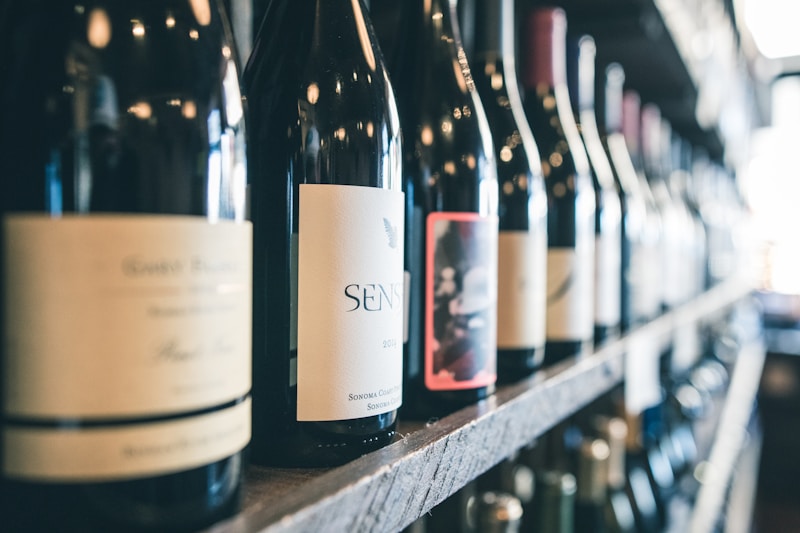
Stainless steel tanks became widespread in the 20th century and are now the most common aging vessels for wines meant to be consumed young, particularly crisp white wines and rosés.
What Stainless Steel Does
- Preserves fruit character: No oak influence means original grape flavors remain prominent
- Neutral: Steel doesn't contribute any flavors to the wine
- Easy to clean: Stainless steel can be thoroughly sanitized between uses
- Temperature control: Easy to maintain consistent temperatures
- Inert: No oxygen exchange unless deliberately introduced
Pros and Cons of Stainless Steel
Advantages:
- Inexpensive compared to oak
- Easy to clean and maintain
- Preserves fresh fruit character
- Long-lasting and durable
- Perfect for crisp, refreshing wines
Disadvantages:
- Adds no complexity or character
- Wines can seem one-dimensional
- No traditional appeal
- Not suitable for wines meant to have oak character
Bottle Aging: The Final Stage
All wines, regardless of how they're aged initially, eventually spend time in bottle. Bottle aging is where wines complete their transformation, developing the complex characters that only time can create.
What Happens During Bottle Aging
Tannin Integration:
Over time, tannins polymerize (link together) and fall out of solution. This makes the wine feel less astringent and more smooth.
Color Evolution:
Red wines lighten and shift from purple to brick, orange, or brown. White wines deepen slightly and develop golden hues.
Aroma Development:
Primary fruit aromas fade and are replaced by complex tertiary aromas—termed "bouquet"—that include earth, leather, tobacco, and other developed characters.
Texture Changes:
The wine's texture becomes smoother and more integrated as all components harmonize.
🔬 The Chemistry of Bottle Aging
In bottle, wine undergoes slow oxidation through the cork and reduction reactions in the absence of oxygen. The key chemical changes include:
- Tannins polymerizing and precipitating
- Anthocyanins (pigments) complexing with other compounds
- Esters forming and transforming
- Aromatic compounds evolving through micro-oxygenation
These reactions occur slowly at cool temperatures, which is why proper cellaring conditions are essential for aging wines.
Ideal Bottle Aging Conditions
- Temperature: 50-55°F (10-13°C) — consistency is key
- Humidity: 70-80% — prevents cork drying
- Darkness: Light damages wine, especially UV rays
- Stillness: Vibration disturbs sediment and accelerates aging
- Position: Horizontal to keep cork wet
Choosing Your Approach
The right aging method depends on multiple factors:
Consider Your Wine Style
- Bold reds: Often benefit from oak aging
- Crisp whites: Stainless steel preserves freshness
- Delicate wines: Minimal intervention preserves character
Consider Your Preferences
- Do you prefer oak-influenced wines?
- Do you want to taste the grape or the barrel?
- What's your personal style preference?
Consider Your Resources
- What's your budget for aging vessels?
- How much storage space do you have?
- How long are you willing to wait?
For Crisp Whites (Sauvignon Blanc, Pinot Grigio): Stainless steel, then bottle for 3-6 months
For Full Whites (Chardonnay): Oak or oak alternative, then bottle for 6-12+ months
For Light Reds (Pinot Noir): Light oak or none, then bottle for 6-12 months
For Bold Reds (Cabernet, Syrah): Oak for 12+ months, then bottle for 2-5+ years
Combining Methods
Many winemakers use a combination approach:
- Stainless → Bottle: Fresh, fruity wines meant for early drinking
- Oak → Bottle: Complex wines meant for aging
- Oak → Stainless → Bottle: Complex but controlled character
The possibilities are endless, and experimentation is part of the fun of winemaking.
How Long to Age
The duration of aging depends on your goals and the wine style:
For Fresh, Fruity Wines
Minimal aging—drink within 1-3 months of bottling. These wines are meant to capture immediate fruit expression.
For Medium-Term Aging
6-12 months in oak or bottle before release. This allows some integration and development without full aging.
For Premium Aging
1-5+ years in oak followed by bottle aging. These wines benefit from extended development and often improve significantly with time.
Conclusion
Every aging method has its place in winemaking. The best approach depends on your wine, your preferences, and your resources. The most important thing is understanding what each method contributes so you can make informed decisions.
Remember: aging is where wine becomes wine. Be patient, provide proper conditions, and look forward to the day you open your aged bottle—you'll be rewarded for your patience.
Now that you understand aging, learn about:
- Tasting Your First Home-Made Wine - The final reward