Controlling Fermentation Temperature: Red, White, and rosé
Temperature is arguably the most critical factor in successful winemaking—yet it's also one of the most overlooked by beginners. The temperature at which fermentation occurs directly impacts the flavors, aromas, texture, and overall quality of your wine. Get it right, and you'll craft wines with beautiful complexity. Get it wrong, and you might end up with a batch that tastes flat, muddy, or even ruined.
The good news? Temperature control is entirely within your control, and understanding the science behind it gives you enormous power over your final product. Whether you're making a bold red, a crisp white, or a delicate rosé, this guide will show you exactly what temperatures to target and how to achieve them consistently.
Why Temperature Matters So Much
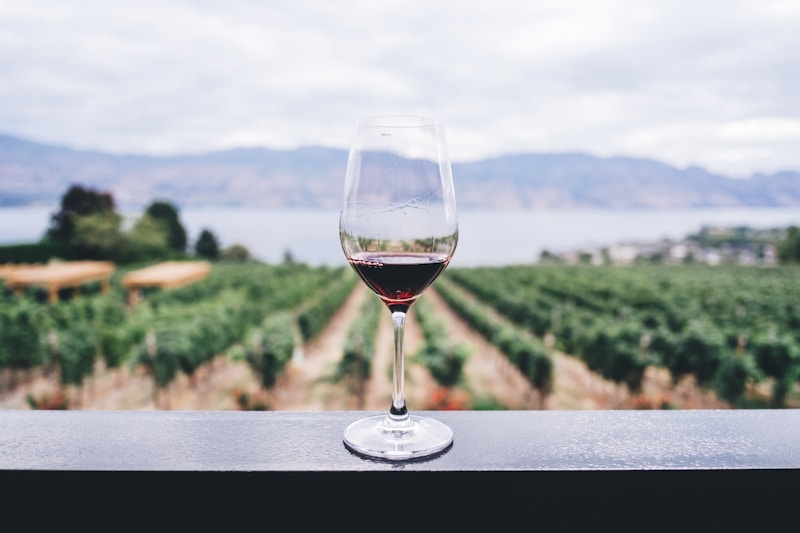
Fermentation is a biochemical process driven by yeast—tiny microorganisms that consume sugar and produce alcohol, carbon dioxide, and hundreds of flavor compounds. Like all living things, yeast have preferences. They function best within certain temperature ranges, and that range dramatically affects their behavior.
At warmer temperatures, yeast become hyperactive. They consume sugar rapidly, producing alcohol quickly, but they also produce more unwanted byproducts. At cooler temperatures, yeast become sluggish. Fermentation slows dramatically, but the slower process allows for more nuanced flavor development.
Beyond yeast behavior, temperature affects the extraction of compounds from grape skins, the retention of volatile aromas, and the overall chemical balance of the wine. It's a juggling act that requires careful attention.
Optimal Temperature Ranges by Wine Type
| Wine Type | Primary Fermentation | Secondary Fermentation |
|---|---|---|
| Red Wine | 75-85°F (24-29°C) | 65-72°F (18-22°C) |
| White Wine | 50-60°F (10-15°C) | 50-60°F (10-15°C) |
| Rosé Wine | 55-65°F (13-18°C) | 50-60°F (10-15°C) |
Red Wine: Embracing Warmth
Red wines typically ferment at warmer temperatures, between 75-85°F (24-29°C). This warmth serves several purposes. First, it helps extract more color and tannin from the grape skins—the compounds that give red wine its body, structure, and aging potential. Second, warmer fermentations encourage the production of certain flavor compounds that contribute to the rich, fruity characters typical of red wines.
However, there's a limit. Fermentations that exceed 85°F (29°C) risk becoming stressful for yeast, leading to stuck fermentations and off-flavors. The "hot" fermentation smell—reminiscent of baked or cooked fruit—is a sign that temperatures have gotten too high. Conversely, fermentations below 70°F (21°C) may struggle to extract enough color and may produce thin, underdeveloped wines.
White Wine: The Cool Approach
White wines demand cool fermentation temperatures, typically between 50-60°F (10-15°C). This might seem counterintuitive—after all, we want fermentation to complete in a reasonable time. But the cool temperatures are essential for preserving the delicate aromatic compounds that make white wines so appealing.
At cooler temperatures, yeast produce fewer aggressive fermentation byproducts, allowing the grape's natural fruit flavors and aromas to shine through. These include floral notes, citrus characters, and the fresh, crisp qualities that define great white wines. Warm fermentations would drive off these volatile aromatics, leaving you with a flat, uninspiring wine.
The tradeoff is time. Cool fermentations take longer—sometimes several weeks rather than days. But patience rewards you with wines of exceptional aromatic complexity and freshness.
Rosé Wine: The Middle Path
Rosé occupies a middle ground, with fermentation temperatures between 55-65°F (13-18°C). This is warm enough to extract some color and轻度 tannins from the brief skin contact, but cool enough to preserve the fresh fruit aromas that make rosé so refreshing.
For white and rosé wines, start your fermentation cool and keep it cool. If the temperature rises during fermentation (which it naturally will as yeast generate heat), it's much harder to bring it back down than to maintain a consistent cool temperature from the start.
🔬 Why This Works: The Biochemistry of Temperature
Temperature affects winemaking at the molecular level. Here's the science:
Enzyme etivity: Yeast produce enzymes that catalyze the conversion of sugar to alcohol. These enzymes work optimally within specific temperature ranges—typically around 86-95°F (30-35°C) for maximum activity. However, optimal activity doesn't equal optimal flavor production.
Volatile Compound Retention: Many of the desirable aromas in wine are volatile compounds that evaporate easily. At warmer temperatures, these compounds escape rapidly, diminishing the wine's aromatic intensity. Cool temperatures preserve them.
Phenolic Extraction: In red winemaking, warmer temperatures help dissolve phenolic compounds (tannins, anthocyanins) from grape skins. This is why red fermentations are warmer—it's literally extracting color and structure from the skins.
Microbial Competition: Cool temperatures inhibit the growth of unwanted bacteria and wild yeasts that might compete with your cultivated wine yeast, giving you cleaner fermentation.
How to Control Fermentation Temperature
Room Temperature Management
The simplest approach is to control your fermentation environment. Find a space in your home that maintains relatively stable temperatures—away from direct sunlight, heating vents, or air conditioning vents. A basement often provides ideal conditions, as temperatures tend to be more stable underground.
For warm fermentations (red wine), you may need to actively heat your fermentation. Simple options include heat wraps designed for carboys, or placing your fermenter in a warm spot. For cool fermentations (white wine), you might choose a consistently cool room, or use a cooling method.
Water Bath Cooling
One of the most effective and affordable methods for temperature control is the water bath. Simply place your fermentation vessel in a larger container (like a plastic tub or cooler) and fill it with water. You can then add ice packs or warm water as needed to maintain your target temperature.
For more consistent control, consider running a submersible aquarium pump through the water bath to circulate the water and eliminate hot or cold spots. This method works especially well for white wine fermentations that need to stay consistently cool.
Refrigeration Systems
For serious temperature control, dedicated fermentation refrigerators (often called "fermentation chambers") are the gold standard. These are essentially mini-refrigerators designed to hold carboys or buckets at precise temperatures.
You can build your own by modifying a compact refrigerator with an external temperature controller. These controllers plug into the refrigerator's power and use a temperature probe to turn the compressor on and off as needed, maintaining exact temperatures. This is ideal for white wines and is increasingly popular among serious home winemakers.
Temperature Monitoring
Regardless of your cooling method, you need accurate temperature monitoring. Digital thermometers with remote probes are ideal—you can monitor temperatures without opening your fermentation vessel and disturbing the process.
Place your thermometer probe directly in the fermenting wine (or secured to the side of the vessel, submerged in the liquid). Check temperatures at least twice daily, more often if you're actively adjusting them. Remember that fermentation generates heat, so temperatures will typically be highest in the middle of active fermentation.
Common Temperature Problems and Solutions
Problem: Fermentation Too Warm
Symptoms: Rapid fermentation, strong "hot" fruity aroma, possible stuck fermentation, flat or cooked flavors
Solutions: Move to a cooler location, use water bath with ice packs, increase air circulation, reduce the size of your batches to reduce heat generation
Problem: Fermentation Too Cold
Symptoms: Slow or stuck fermentation, lack of fruit expression, potential for off-flavors
Solutions: Move to a warmer location, use heating wrap or heat lamp, reduce exposure to cold air
Problem: Temperature Fluctuations
Symptoms: Uneven fermentation, inconsistent flavors
Solutions: Use a more stable environment (basement, insulated room), employ water bath for thermal mass, use temperature controller
Special Considerations
Fermentation Heat Generation
Here's something many beginners don't realize: fermentation itself generates heat. An active fermentation can raise the temperature of your wine by 5-15°F (3-8°C) above the surrounding environment. This is especially true for vigorous red wine fermentations.
Factor this in when setting up your temperature control. If you want your red wine at 80°F (27°C), your fermentation space should be around 70°F (21°C) to account for the heat the yeast will generate.
Diacetyl and Malolactic Fermentation
If you're conducting malolactic fermentation (MLF) after your primary fermentation, temperature control continues to matter. MLF occurs at warmer temperatures than primary fermentation—typically around 68-72°F (20-22°C) for red wines. Warmer temperatures encourage the bacteria to complete MLF quickly, while cooler temperatures can stall it.
Conclusion
Temperature control is one of the most impactful techniques you can master as a winemaker. By understanding the optimal ranges for different wine styles and implementing simple temperature management strategies, you can dramatically improve your results.
Remember: red wines embrace warmth, white wines flourish in cool conditions, and rosé finds its balance in between. Monitor consistently, adjust proactively, and don't let fermentation temperature become an afterthought. Your wines will thank you with superior flavor, aroma, and character.
Ready to learn more about managing problems during fermentation? Check out our article on Managing Stuck Fermentations for troubleshooting guidance.