How to Make Dessert Wine: Late Harvest & Sauternes Style - HowToMakeWine.net | HowToMakeWine.net
How to Make Dessert Wine: Late Harvest & Sauternes Style
Dessert wines are vinous treasures—rich, complex, honeyed wines that can be enjoyed in small quantities for a lifetime. From the legendary Sauternes of France to the botrytized beauties of Germany and Hungary, these wines represent some of the most sought-after beverages in the world.
While production of true Sauternes requires specific conditions (including the "noble rot" fungus), home winemakers can produce delicious dessert wines using several approaches. In this guide, we'll explore the major methods for making sweet wines at home.
Understanding Dessert Wine
Dessert wines are characterized by their sweetness—residual sugar that remains after fermentation stops or is stopped. But they're more than just sweet; they're complex, balanced, and age-worthy.
The key to great dessert wine is achieving a balance between sweetness, acidity, and alcohol. Without sufficient acidity, sweet wines become cloying. Without sufficient alcohol, they lack body and longevity.
Methods for Making Dessert Wine
1. Late Harvest
The simplest approach: harvest grapes later than normal, when they're overripe and very sweet. The high sugar content produces wines with natural residual sweetness.
2. Noble Rot (Botrytis)
Allow the beneficial fungus Botrytis cinerea to infect grapes, concentrating sugars and adding complex flavors. This is how true Sauternes is made.
3. Ice Wine (Eiswein)
Grapes are frozen on the vine, then pressed while still frozen. The water forms ice crystals, leaving behind concentrated, sweet juice.
4. Fortification
Add spirits (brandy) to halt fermentation, preserving sweetness. This is how Port and Madeira are made.
We'll cover fortification in our article on fortified wines.
Method 1: Late Harvest Wine
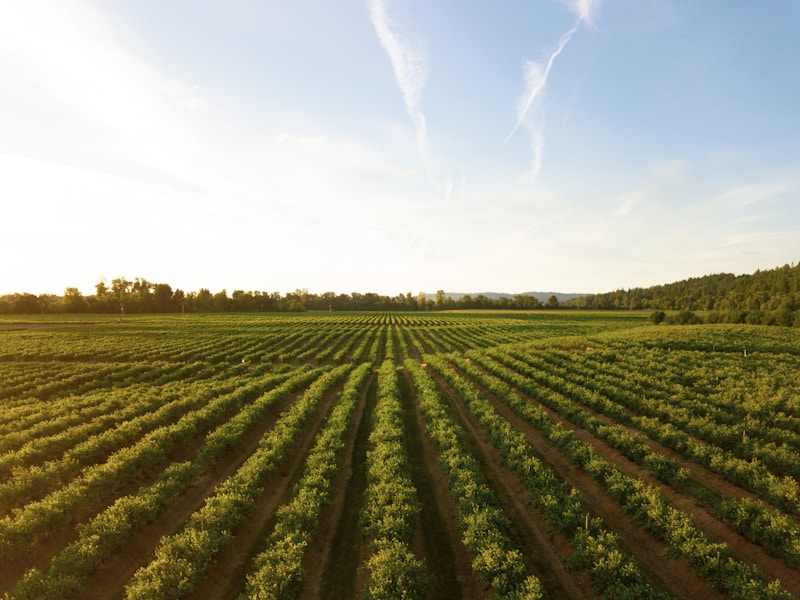
Late harvest is the most accessible method for home winemakers. You simply leave grapes on the vine longer, allowing them to become overripe and very sweet.
The Process
- Let grapes hang on the vine 2-4 weeks past normal harvest
- Grapes become raisinated and very sweet
- Monitor for rot—if grapes start to decay, harvest immediately
- Press and ferment like regular wine
- Stop fermentation before all sugar is consumed
What to Expect
- High sugar content (often 30°+ Brix)
- Rich, honeyed flavors
- Potential for noble rot development (if conditions are right)
- Can age for decades
Best Grapes
- Riesling (classic for late harvest)
- Vidal Blanc (reliable, winter-hardy)
- Gewürztraminer (aromatic, exotic)
- Chenin Blanc (versatile)
Challenges
- Birds and animals will target sweet grapes
- Weather can destroy late-hanging grapes
- Yeast may struggle with very high sugar (stuck fermentation risk)
Method 2: Noble Rot (Sauternes Style)
True Sauternes-style wines require noble rot—a carefully controlled infection by the Botrytis fungus. This is more challenging but produces extraordinary results.
Understanding Noble Rot
Botrytis cinerea is a fungus that, under specific conditions, penetrates grape skins and evaporates water, concentrating sugars. It also produces unique flavor compounds that contribute to Sauternes' distinctive character.
Conditions needed:
- Morning fog or mist (high humidity)
- Warm, dry afternoons
- Healthy grapes (early season)
- Careful monitoring
Ready to start winemaking?
Explore our comprehensive guides and start your journey today!