How Winemaking Works: A Complete Beginner's Guide
Have you ever wondered how those beautiful bottles of wine end up on your table? The journey from humble grape to elegant wine is both an art and a science that humans have perfected over thousands of years. Whether you're dreaming of crafting your own vintage or simply want to appreciate wine more deeply, understanding how winemaking works is the essential first step.
This comprehensive guide will walk you through every stage of the winemaking process, explain the chemistry that makes it possible, and give you the confidence to start your own winemaking adventure. By the end, you'll understand not just what happens during winemaking, but why it happens–and that's the difference between following a recipe and truly mastering the craft.
The Foundation: From Grape to Must
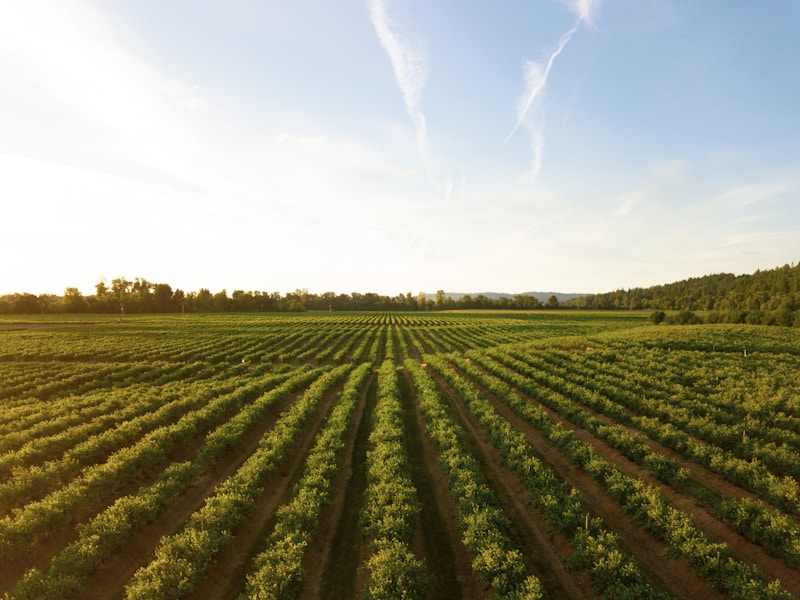
Every great wine begins with quality grapes. Unlike many other alcoholic beverages that can be made from various sugar sources, wine is uniquely tied to the grape. This isn't arbitrary–it comes down to chemistry. Grapes contain the perfect balance of sugar, acid, and water, along with the nutrients that yeast need to thrive.
When you crush grapes, you create what's called "must"–the mixture of grape juice, skins, seeds, and sometimes stems. The color of your wine depends entirely on what you do with the must. For white wines, you separate the juice from the skins immediately. For red wines, you let the juice ferment with the skins, which imparts color, tannins, and those characteristic red hues. Rosé wines walk the line between, with brief skin contact that yields that beautiful pink tint.
Key Components of Grapes
- Sugar: The fuel for fermentation; converts to alcohol through yeast activity
- Acids: Provide balance and freshness; primarily tartaric, malic, and citric acids
- Water: Makes up approximately 70-80% of grape weight
- Nitrogen compounds: Essential nutrients for healthy yeast fermentation
- Phenolics: Compounds responsible for color, tannin, and mouthfeel
The Magic of Fermentation
At its core, winemaking is simply controlled decomposition. Yeast organisms–microscopic fungi that are everywhere in nature–consume the sugar in grape juice and convert it into alcohol and carbon dioxide. This process, called fermentation, is what transforms grape juice into wine.
But don't let the simplicity of that description fool you. Fermentation is a complex biochemical dance involving hundreds of different compounds. The yeast don't just produce alcohol; they also create dozens of flavor and aroma compounds that contribute to the final wine's character. This is why different yeast strains can produce such dramatically different wines from the same grapes.
Fermentation produces approximately 51% alcohol and 49% carbon dioxide by weight. The carbon dioxide escapes into the air during fermentation, which is why fermentation vessels need to be vented or have airlocks.
The Two Phases of Fermentation
Winemaking typically involves two distinct fermentation phases. Primary fermentation is the vigorous, active phase where yeast rapidly consume sugars and produce alcohol. This phase lasts anywhere from 4 days to 2 weeks, depending on temperature, yeast strain, and sugar content.
Secondary fermentation, also called malolactic fermentation, is a softer, slower process where specific bacteria convert sharp malic acid into softer lactic acid. This is what gives wine its smooth, round character and is responsible for the "buttery" notes in many Chardonnays. Not all wines undergo malolactic fermentation–crisp white wines often skip this step to maintain their fresh, bright character.
— Why This Works: The Chemistry of Fermentation
The fermentation process is driven by enzymes produced by yeast cells. These enzymes act as biological catalysts, breaking down glucose molecules (C₆H₁₂O₆) into two molecules of pyruvate through a process called glycolysis. The pyruvate then further breaks down into ethanol (C₂H₅OH) and carbon dioxide (CO₂).
This reaction releases energy that the yeast use for growth and reproduction. The overall equation is:
C₆H₁₂O₆ → 2C₂H₅OH + 2CO₂
However, this is a simplification. In reality, hundreds of intermediate compounds are created, including acetaldehyde (which can add nutty notes), glycerol (which adds body and sweetness), and various esters that contribute fruity aromas. The specific conditions of your fermentation–which yeast strain, what temperature, what nutrients are available–determine which of these compounds are produced in higher or lower quantities.
Post-Fermentation: The Art of Aging and Blending
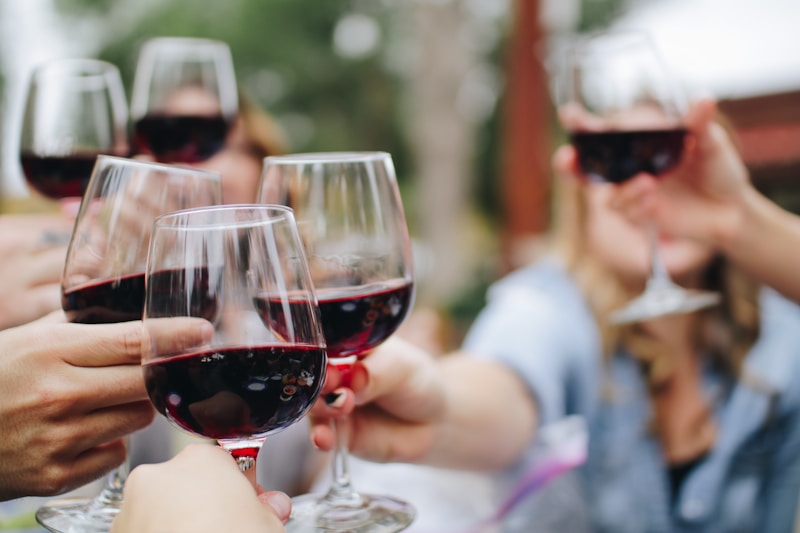
Once fermentation is complete, your wine isn't finished. It needs to be cared for, and often aged, to reach its full potential. This is where the winemaker's art truly shines.
Racking is the process of moving wine off of its sediment (called "lees") to a clean container. This prevents off-flavors and allows the wine to clear. Depending on the wine style, you might rack multiple times during aging.
Stabilization involves preventing unwanted refermentation in the bottle. This typically involves adding sulfites to kill any remaining yeast and bacteria, and sometimes cold-stabilizing to precipitate out excess tartaric acid crystals.
Aging can occur in various containers, each imparting different characteristics. Stainless steel preserves fresh fruit flavors. Oak barrels add complexity through wood tannins and slow oxygen exposure. Bottle aging allows the wine to develop its own character over years or decades. The choice depends on the grape variety, the desired wine style, and the winemaker's vision.
Common Winemaking Methods
Traditional Method (From Fresh Grapes)
This is what most people imagine when they think of winemaking. You start with fresh grapes, crush them, and let nature take its course. This method gives you the most control and typically produces the best results, but requires access to quality grapes and more equipment.
From Juice or Concentrate
For beginners or those without access to fresh grapes, winemaking from juice or concentrate is an excellent starting point. You can purchase grape juice or frozen concentrate, add yeast, and ferment. This method is more forgiving and requires less equipment.
Ice Wine Method
Ice wine is made from grapes that have been frozen on the vine. The water in the grapes forms ice crystals, leaving behind concentrated sugars and flavors. You can simulate this at home by freezing grapes and then pressing them while still frozen.
Equipment Essentials
You don't need a fancy winery to make wine–you need the right tools. Here's what every beginning winemaker should have:
- Primary fermenter: A large container (usually 5-10 gallon capacity) for initial fermentation
- Secondary fermenter: A carboy for aging after primary fermentation
- Airlock: Allows CO₂ to escape while preventing oxygen and contaminants from entering
- Hydrometer: Measures sugar content and tracks fermentation progress
- Wine thermometer: Ensures fermentation occurs at optimal temperatures
- Siphoning tubing: For transferring wine between containers without disturbing sediment
- Bottling equipment: Bottles, corks, and a corker
Sanitation is the single most important factor in successful winemaking. Bacteria and wild yeast can ruin your wine. Always sanitize all equipment before use, and work as cleanly as possible throughout the process.
Understanding Wine Chemistry: The Basics
Successful winemaking requires understanding a few key chemical parameters. Don't worry–you don't need a chemistry degree. A basic understanding and the right testing equipment will take you far.
pH measures how acidic or basic your wine is on a scale of 0-14, with 7 being neutral. Most wines fall between 3.0 and 4.0 pH. Lower pH means higher acidity, which helps preserve the wine and gives it freshness.
TA (Titratable Acidity) measures the total amount of acids present in your wine. This is different from pH–TA tells you how much acid is there, while pH tells you how strong those acids feel.
Brix measures the sugar content of your grape juice. This tells you how much alcohol your wine can potentially have. One degree Brix equals about 0.55% potential alcohol.
Common Wine Faults to Avoid
Every beginner should be aware of common problems that can affect wine:
- Oxidation: Too much exposure to air turns wine brown and flat
- Volatile Acidity: Bacteria produce acetic acid (vinegar) when exposed to air
- Stuck Fermentation: When fermentation stops before all sugar is converted
- Contamination: Off-flavors from improper sanitation or wild yeast
Your Next Steps
Now that you understand how winemaking works, you're ready to start your journey. Here's what we recommend:
- Start simple: Consider making wine from juice or concentrate for your first batch
- Invest in quality equipment: A hydrometer and thermometer are essential
- Focus on sanitation: Clean everything thoroughly and repeatedly
- Take notes: Document everything about each batch so you can learn and improve
- Be patient: Good wine takes time. The results are worth the wait
Conclusion
Winemaking is both ancient art and modern science. Understanding how it works gives you the foundation to create delicious wines at home, whether you're working with grapes from your backyard or premium juice from a winery supply store.
The key principles–quality fruit, proper fermentation, careful aging, and meticulous sanitation–apply regardless of your scale or method. Master these fundamentals, and you'll be well on your way to crafting wines you can be proud of.
In our next articles, we'll dive deeper into each aspect of winemaking. We'll explore the fermentation process in detail, discuss equipment selection, and provide step-by-step guides for making your first batch. Welcome to the wonderful world of winemaking!
Ready to learn more? Check out our article on The Wine-Making Process Step-by-Step for a detailed walkthrough of every stage.