Wine Grapes vs. Table Grapes: What's the Difference?
It seems like it should be simple: grapes are grapes, right? You can make wine from any grape. While it's technically possible to make wine from table grapes, the results are often disappointing. The truth is that wine grapes and table grapes are fundamentally different—and those differences matter enormously when it comes to making quality wine.
In this guide, we'll explore what makes wine grapes unique, why table grapes don't work as well, and what options you have as a home winemaker.
The Key Differences
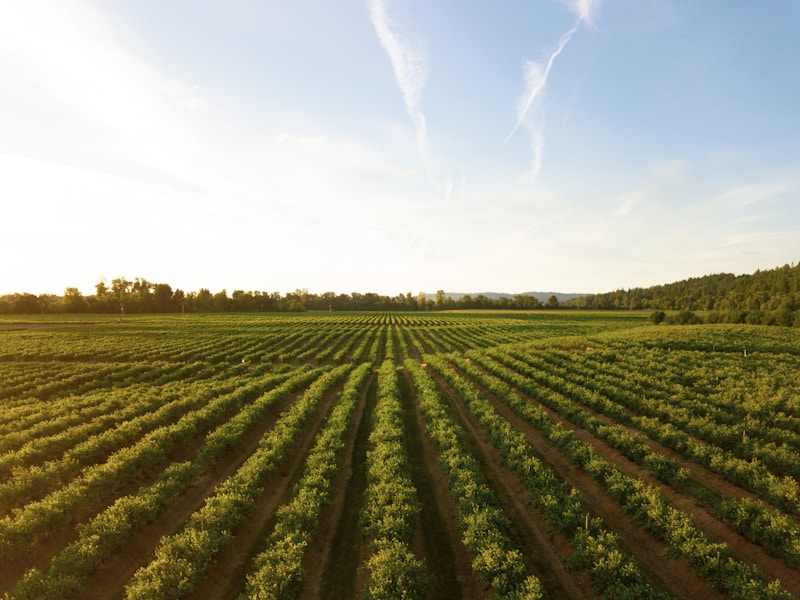
Wine grapes and table grapes have been selectively bred for different purposes over thousands of years. Here's what sets them apart:
1. Sugar Content
This is perhaps the most critical difference. Wine grapes typically contain significantly more sugar than table grapes—often 20-25° Brix compared to 15-18° Brix for table grapes.
More sugar means more alcohol potential. A grape with 22° Brix can theoretically produce a wine with about 12% alcohol. Table grapes at 16° Brix would only reach about 9% alcohol—too low for most wine styles.
2. Acidity
Wine grapes have much higher acidity than table grapes. This acidity is essential for:
- Balance in the final wine
- Microbial stability
- Fresh, vibrant flavor
- Proper fermentation
Table grapes, bred for eating, have much lower acidity—sometimes barely detectable. This results in flat, one-dimensional wines.
3. Skin-to-Pulp Ratio
Wine grapes have thicker skins relative to their pulp. This matters because:
- Skins contain most of the flavor compounds, tannins, and pigments
- More skin per grape = more extraction potential
- Thicker skins contribute to better aging potential
Table grapes are bred for juicy, tender pulp with thin skins—great for eating, not great for winemaking.
4. Size and Seed Content
Table grapes are typically larger, seedless, and more uniform in appearance. Wine grapes are smaller, contain seeds, and have more varied coloring.
The seeds in wine grapes contribute tannins during fermentation, which adds structure and aging potential. Seedless grapes lack this element.
Wine grapes are actually terrible to eat! They're small, seedy, and have thick, astringent skins. They're not meant for fresh consumption—they're specifically bred for winemaking. This is why you never see wine grapes (like Cabernet Sauvignon or Pinot Noir) in the grocery store.
5. Growing Conditions
Wine grapes are grown in specific conditions that table grapes aren't:
- Vine balance: Wine grapes are often grown with limited yields to concentrate flavors
- Climate: Many wine regions have specific day/night temperature swings that develop acidity
- Soil: Wine grapes often grow in poorer soils that stress the vines, concentrating flavors
🔬 The Science of Wine Grape Composition
Wine grapes contain the perfect balance of compounds for fermentation:
- Sugar: Glucose and fructose in roughly equal amounts—ideal yeast food
- Acids: Primarily tartaric acid (unique to grapes), plus malic and citric acids
- Nitrogen: Amino acids and proteins that feed yeast
- Phenolics: Tannins and pigments in skins and seeds
- Aromatics: Precursor compounds that become aromas during fermentation
This complex chemical makeup is why wine grapes produce complex, interesting wines, while table grapes produce simple, often flat ones.
What Happens If You Use Table Grapes?
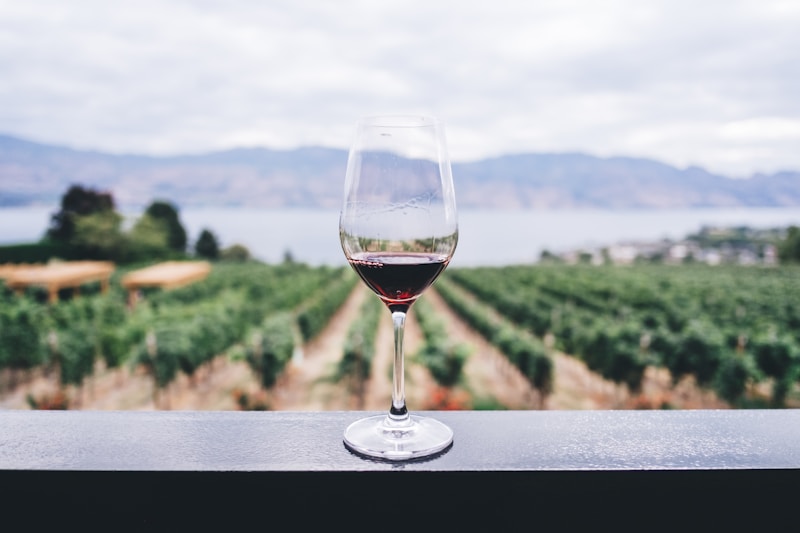
You can make wine from table grapes, but the results will be different:
Potential Problems
- Lower alcohol: Less sugar means lower alcohol content
- Lack of complexity: Fewer phenolics and aromatics
- Flatter taste: Less acidity leads to less vibrant flavor
- Poor aging: Thin skins mean fewer tannins for structure
- More additions needed: You'll likely need to add acid and may need to add sugar
It Can Still Be Done
Many home winemakers successfully make wine from table grapes. The key is understanding the limitations and adjusting:
- Add sugar to reach desired alcohol
- Add acid to improve balance
- Manage expectations—table grape wine will be different
- Consider blending with wine grapes if available
Best Grapes for Winemaking
If you're serious about making quality wine, use proper wine grapes. Here's a brief overview:
Red Wine Grapes
- Cabernet Sauvignon: Bold, tannic, full-bodied
- Merlot: Softer, fruitier, easier drinking
- Pinot Noir: Light to medium body, elegant
- Zinfandel: Bold, fruity, high alcohol
- Syrah/Shiraz: Full-bodied, spicy
White Wine Grapes
- Chardonnay: Versatile, can be oaked or unoaked
- Sauvignon Blanc: Crisp, herbaceous, aromatic
- Riesling: Aromatic, can be dry or sweet
- Pinot Grigio: Light, crisp, refreshing
- Gewürztraminer: Aromatic, floral, slightly sweet
Where to Get Wine Grapes
As a home winemaker, you have several options:
Direct from Vineyards
Many vineyards sell grapes directly to home winemakers, especially during harvest. This gives you access to quality wine grapes.
Winery Supply Stores
Wine supply stores often sell fresh, frozen, or juice wine grapes. This is a reliable option in most areas.
Wine Grape Juice
Fresh-pressed juice from wine grapes is available from many suppliers. It's an excellent option that skips the crushing step.
Concentrate
Frozen grape concentrate made from wine grapes can be reconstituted for winemaking. This is convenient and widely available.
Alternatives to Wine Grapes
If you can't access wine grapes, consider these options:
Other Fruits
Many fruits can be made into wine:
- Apples (cider)
- Berries (strawberries, raspberries)
- Stone fruits (peaches, cherries)
- Citrus
- Melons
These will be fruit wines, not grape wines, and have their own characteristics and challenges.
Table Grape Wine
If you must use table grapes:
- Choose the ripest grapes you can find
- Add sugar to reach 20-22° Brix
- Add acid (tartaric) to improve balance
- Consider blending with a small amount of wine grapes if possible
Conclusion
The difference between wine grapes and table grapes isn't just academic—it directly affects the quality of wine you can produce. Wine grapes are specifically suited to winemaking, with the perfect balance of sugar, acid, and phenolic compounds.
While you can make wine from table grapes, the results will be different. For the best possible wine, seek out proper wine grapes from vineyards, winery supply stores, or specialty suppliers.
Ready to find the best grapes for beginners? Read Best Grapes for Beginner Winemakers