Best Grapes for Beginner Winemakers
Starting your winemaking journey is exciting, but one of the first—and most important—decisions you'll make is which grapes to use. While theoretically you can make wine from any grape, some varieties are far more forgiving and beginner-friendly than others.
In this guide, we'll explore the best grape varieties for new winemakers, considering factors like ease of growing, forgiveness in winemaking, and the quality of wine produced. Whether you're growing your own grapes or purchasing them, this guide will help you make the right choice.
What Makes a Grape "Beginner-Friendly"?
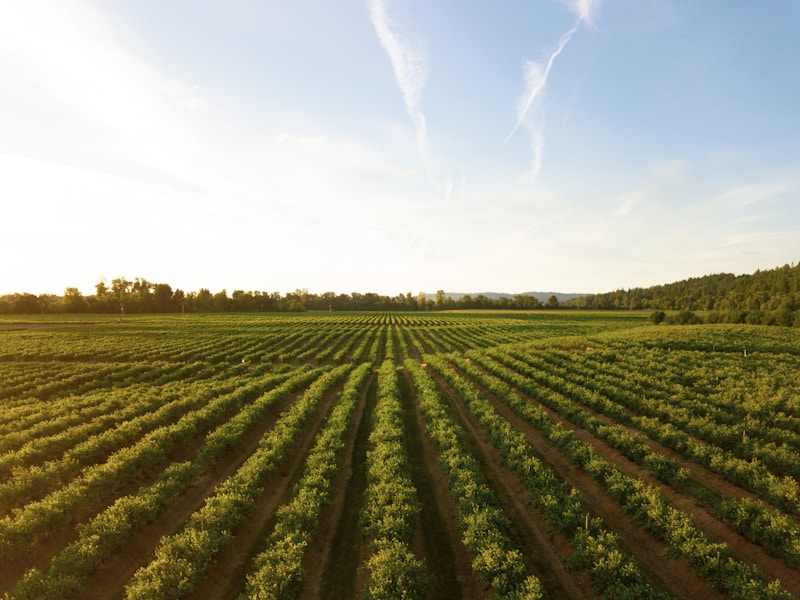
Before diving into specific varieties, let's discuss what makes a grape ideal for beginners:
Forgiveness in Winemaking
Some grapes are more forgiving of mistakes—temperature variations, minor timing errors, or less-than-perfect technique. Beginner-friendly grapes produce acceptable results even when things aren't perfect.
Disease Resistance
If you're growing your own grapes, disease resistance matters. Some varieties are naturally more resistant to common grape diseases like powdery mildew, downy mildew, and botrytis.
Wide Availability
For purchasing grapes, accessibility matters. Some grapes are widely available from vineyards and suppliers; others are harder to find.
Versatility
Some grapes can be made into multiple styles—red or white, still or sparkling—giving you flexibility as you learn.
Forgiving of Growing Conditions
Some grapes are more tolerant of varying climate conditions, soil types, and growing practices.
Your climate significantly impacts which grapes will succeed. In general:
- Cool climates: Pinot Noir, Chardonnay, Riesling, Gewürztraminer
- Moderate climates: Merlot, Cabernet Franc, Sauvignon Blanc
- Warm climates: Cabernet Sauvignon, Zinfandel, Syrah
Top Red Grape Varieties for Beginners
1. Concord (Top Choice)
A classic American grape that's incredibly forgiving and produces delicious, fruity wine.
- Wine style: Medium-bodied, fruity, often slightly sweet
- Forgiveness level: Very high
- Availability: Widely available in eastern North America
- Growing: Very hardy, disease-resistant, easy to grow
2. Marechal Foch
A cold-hardy French-American hybrid that's excellent for beginners in cooler climates.
- Wine style: Medium-bodied, fruity, with earthy notes
- Forgiveness level: Very high
- Availability: Available from specialty nurseries and vineyards
- Growing: Extremely cold-hardy, early-ripening
3. Chambourcin
Another excellent French-American hybrid, known for making quality wines with minimal intervention.
- Wine style: Versatile, can be made dry or semi-sweet
- Forgiveness level: High
- Availability: Available from many vineyards
- Growing: Good disease resistance, moderate cold hardiness
4. Zinfandel
An American classic that's forgiving and produces bold, fruity wines.
- Wine style: Bold, fruity, often high alcohol
- Forgiveness level: Moderate to high
- Availability: Widely available in warm climates
- Growing:Needs warmth; can be vigorous
5. Pinot Noir (Advanced Beginner)
The classic light-bodied red, but requires more attention than hybrids.
- Wine style: Light to medium-bodied, elegant, fruity
- Forgiveness level: Moderate
- Availability: Widely available
- Growing:Requires cooler climate, more disease-prone
Top White Grape Varieties for Beginners
1. Vidal Blanc (Top Choice)
An excellent French-American hybrid that's incredibly versatile and forgiving.
- Wine style: Crisp, fruity; great for semi-sweet or late harvest
- Forgiveness level: Very high
- Availability: Widely available
- Growing: Very cold-hardy, disease-resistant
2. Niagara
A white American grape similar to Concord but for white wines.
- Wine style: Sweet, fruity, grapey
- Forgiveness level: Very high
- Availability: Widely available
- Growing: Hardy, easy to grow
3. Seyval Blanc
A French-American hybrid that produces clean, crisp wines.
- Wine style: Dry to semi-dry, crisp, citrusy
- Forgiveness level: High
- Availability: Available from specialty suppliers
- Growing: Cold-hardy, good disease resistance
4. Chardonnay (Advanced Beginner)
The world's most popular white wine grape, but requires more skill.
- Wine style: Versatile; can be oaked or unoaked
- Forgiveness level: Moderate
- Availability: Widely available
- Growing: Moderate disease resistance
5. Riesling (Advanced Beginner)
An aromatic white grape that can produce excellent wines but needs attention.
- Wine style: Aromatic, can be dry to sweet
- Forgiveness level: Moderate
- Availability: Widely available
- Growing: Needs cool climate
🔬 Why Hybrids Are More Forgiving
French-American hybrid grapes (like Vidal Blanc, Chambourcin, and Marechal Foch) are crosses between European wine grapes and American grape species. This gives them:
- Disease resistance: American grapes are naturally more resistant to common grape diseases
- Cold hardiness: Many hybrids can survive temperatures that would kill European grapes
- Adaptability: They often grow well in conditions where pure European grapes struggle
This makes them ideal for beginners who may not have ideal growing conditions or extensive experience.
Best Grapes for Different Situations
If You're Growing Your Own
- Cold climate: Vidal Blanc, Marechal Foch, Seyval Blanc
- Moderate climate: Chambourcin, Chancellor
- Warm climate: Zinfandel, Thompson Seedless
If You're Buying Grapes
- Most accessible: Concord, Niagara, Thompson Seedless
- Premium options: Cabernet Sauvignon, Chardonnay, Pinot Noir
For Easiest Winemaking
- Red: Concord, Marechal Foch, Chambourcin
- White: Vidal Blanc, Niagara, Seyval Blanc
Where to Source Your Grapes
Local Vineyards
Many vineyards sell excess grapes to home winemakers, especially during harvest season. This often provides the best quality and selection.
Winery Supply Stores
Wine supply stores often carry fresh, frozen, or juice grapes. They may also ship frozen grapes.
Online Suppliers
Several companies specialize in shipping fresh or frozen grapes nationwide. Quality can vary—research suppliers before ordering.
Your Own Backyard
If you're growing grapes, you already have access! Start with forgiving varieties for best results.
Conclusion
Starting with the right grapes makes a enormous difference in your winemaking success. For the most forgiving experience, begin with French-American hybrids like Vidal Blanc, Chambourcin, or Marechal Foch. These grapes are naturally adapted to a wide range of conditions and produce excellent wines with minimal intervention.
As you gain experience, you can experiment with more challenging varieties like Pinot Noir or Chardonnay. But there's nothing wrong with sticking with forgiving grapes—some of the best homemade wines come from these beginner-friendly varieties.
Ready to learn about different grape varieties? Read Understanding Grape Varieties: Red, White, Rosé, and Beyond