Understanding Grape Varieties: Red, White, Rosé, and Beyond
The world of wine grapes is astonishingly diverse. With thousands of varieties grown around the world, there's a grape for every climate, every style, and every palate. Understanding these varieties—what makes them unique, where they grow best, and what wines they produce—is fundamental to appreciating and making wine.
In this comprehensive guide, we'll explore the major grape varieties, understand what makes each one unique, and discover some exciting options beyond the basics.
What Makes Grape Varieties Different?
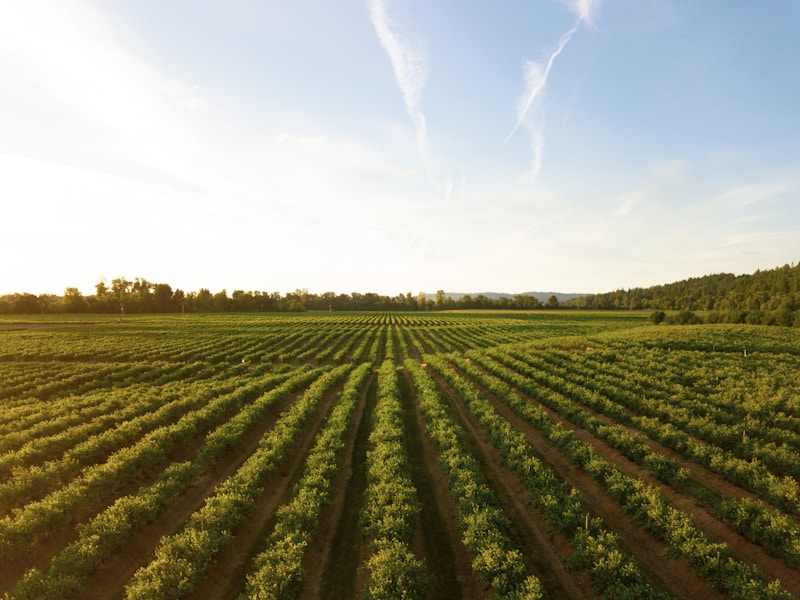
Each grape variety has its own genetic makeup that expresses itself in the vineyard and in the glass. These differences come from:
Genetic Factors
- Skin thickness: Affects tannin and phenolic extraction
- Berry size: Smaller berries = more skin-to-pulp ratio = more intensity
- Cluster compactness: Affects disease susceptibility and ripening
- Vine vigor: How vigorously the vine grows
Flavor Precursors
Different grapes contain different amounts of flavor precursor compounds. These don't taste like anything in the grape but transform during fermentation into the aromatic compounds we smell in wine.
Phenolic Compounds
The type and amount of phenolics (tannins, pigments, etc.) vary by variety, affecting color, structure, and aging potential.
Major Red Wine Grapes
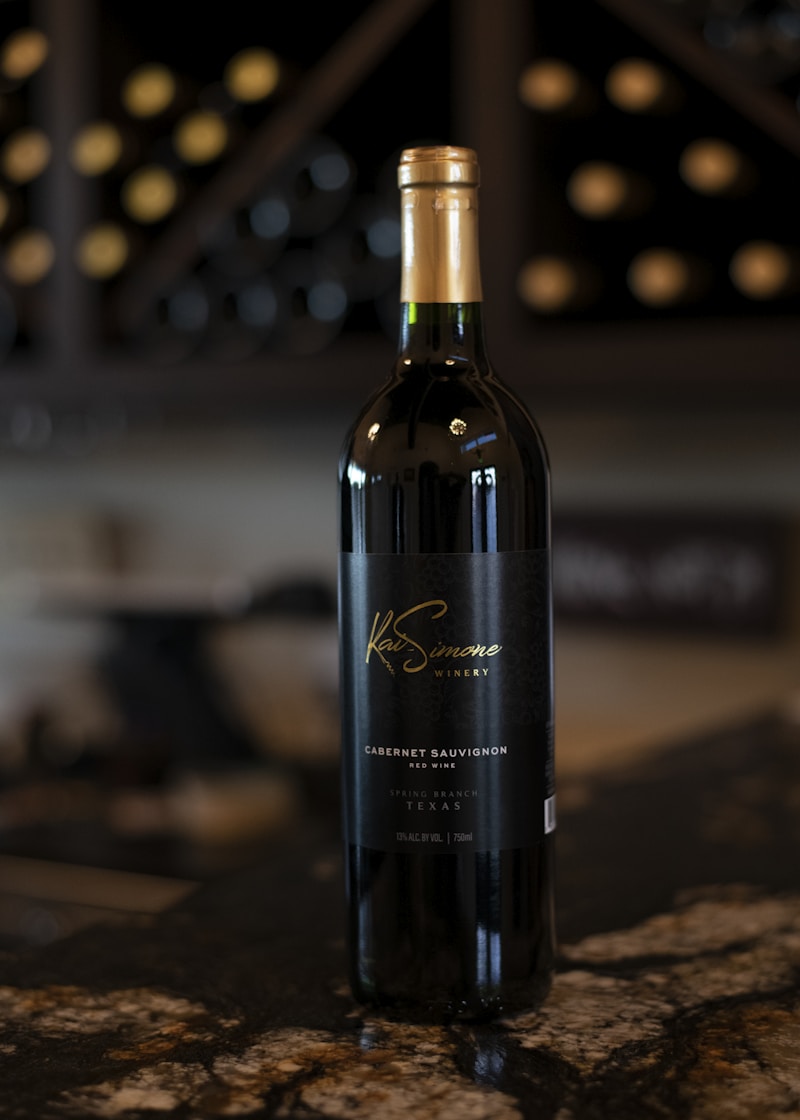
Cabernet Sauvignon
The world's most famous red grape. Known for full-bodied wines with firm tannins and dark fruit flavors.
- Origin: Bordeaux, France (a cross of Cabernet Franc and Sauvignon Blanc)
- Typical flavors: Blackcurrant, cedar, mint, tobacco
- Body: Full
- Tannins: High
- Aging potential: Excellent (5-20+ years)
Merlot
Often considered Cabernet's softer sibling, Merlot produces wines that are smooth and approachable.
- Origin: Bordeaux, France
- Typical flavors: Plum, chocolate, herbs
- Body: Medium to full
- Tannins: Medium
- Aging potential: Good (3-10 years)
Pinot Noir
The "heartbreak grape"—difficult to grow but rewarding when done right. Produces elegant, light to medium-bodied wines.
- Origin: Burgundy, France
- Typical flavors: Cherry, raspberry, earth, mushroom
- Body: Light to medium
- Tannins: Low to medium
- Aging potential: Good (3-10 years)
Syrah/Shiraz
A versatile grape that produces bold, spicy wines. Called Shiraz in Australia, Syrah elsewhere.
- Origin: Rhône Valley, France
- Typical flavors: Blackberry, pepper, smoke, leather
- Body: Full
- Tannins: Medium to high
- Aging potential: Good (5-15 years)
Zinfandel
An American original, known for bold, fruity wines that can reach high alcohol levels.
- Origin: United States (likely Croatian origin)
- Typical flavors: Berry, jam, pepper, spice
- Body: Full
- Tannins: Medium
- Aging potential: Moderate (2-7 years)
Other Notable Red Grapes
- Cabernet Franc: Lighter than Cabernet Sauvignon, herbal
- Grenache: Lighter, fruity, often for rosé
- Malbec: Bold, fruity, from Argentina
- Tempranillo: Spanish classic, earthy
- Nebbiolo: Italian classic, tar and roses
Some grapes (like Pinot Noir and Riesling) are considered "finicky" because they require specific conditions:
- Precise climate (not too hot, not too cold)
- Specific soil types
- More disease susceptibility
- Sensitivity to vintage variation
Other grapes (like Cabernet Sauvignon) are more adaptable and forgiving.
Major White Wine Grapes
Chardonnay
The world's most popular white wine grape. Extremely versatile—can be crisp and fruity or rich and oaked.
- Origin: Burgundy, France
- Typical flavors: Apple, citrus, butter (with MLF), vanilla (oaked)
- Body: Medium to full
- Acidity: Medium
Sauvignon Blanc
Known for crisp, herbaceous wines with vibrant acidity. The quintessential summer white.
- Origin: Loire Valley, Bordeaux, France
- Typical flavors: Grass, citrus, gooseberry, mineral
- Body: Light to medium
- Acidity: High
Riesling
An aromatic grape that can produce wines ranging from bone-dry to intensely sweet, all with vibrant acidity.
- Origin: Germany
- Typical flavors: Peach, apricot, petrol, honey
- Body: Light to medium
- Acidity: High
Pinot Grigio/Pinot Gris
A light, refreshing white wine. Called Pinot Grigio in Italy, Pinot Gris elsewhere.
- Origin: France (mutation of Pinot Noir)
- Typical flavors: Pear, apple, citrus
- Body: Light
- Acidity: Low to medium
Other Notable White Grapes
- Gewürztraminer: Aromatic, floral, lychee
- Viognier: Aromatic, peachy, floral
- Chenin Blanc: Versatile, from dry to sweet
- Sémillon: Often for dessert wines
- Müller-Thurgau: Light, easy-drinking
Rosé Grapes
Rosé isn't made from a specific "rosé grape"—it can be made from any red grape. The color comes from brief skin contact rather than the variety itself.
Common grapes for rosé include:
- Grenache
- Cinsault
- Mourvèdre
- Tibouren
- Any red grape
🔬 Why Red Wine Is Red
The color of wine comes from anthocyanins—pigment compounds found in grape skins. Red grapes have these pigments; white grapes don't.
When making red wine, you ferment juice in contact with skins, allowing these pigments to leach into the wine. For white wine, you separate juice from skins immediately.
Rosé gets its pink color from brief skin contact—long enough to extract some pigments, but not enough to make a red wine.
Exciting Grapes Beyond the Basics
Beyond the famous varieties, there's a world of interesting grapes to explore:
Underrated Reds
- Aglianico: Italian, bold, complex
- Sagrantino: Italian, incredibly tannic
- Touriga Nacional: Portuguese, for port-style wines
- Petite Sirah: Bold, inky, peppery
Interesting Whites
- Grüner Veltliner: Austrian, crisp, peppery
- Albariño: Spanish, citrusy, saline
- Vermentino: Italian, herbaceous
- Arneis: Italian, soft, pear-like
Hybrid Grapes
- Vidal Blanc: Excellent for ice wines
- Chambourcin: Versatile, good for beginners
- Marechal Foch: Cold-hardy, earthy
- Traminer: Parent of Gewürztraminer
Choosing Grapes for Winemaking
When selecting grapes for your wine, consider:
- Your skill level: Start with forgiving varieties
- Your climate: Choose grapes suited to your conditions
- Your preferences: Pick grapes whose wines you enjoy
- Availability: Choose grapes you can actually obtain
Conclusion
The world of grape varieties is endlessly fascinating. Each variety has its own personality, its own requirements, and its own expression in the glass. Understanding these differences helps you make better wine and appreciate it more deeply.
Start with forgiving, accessible varieties, then branch out as your skills develop. There's always more to explore!
Ready to understand sugar in winemaking? Read Why Sugar Matters: Brix, Specific Gravity, and Residual Sugar